The Sweet Deception: How Sugar Hijacks Your Body
THE SWEET VILLIAN :HIJACKS YOUR BODY LIKE NO OTHER
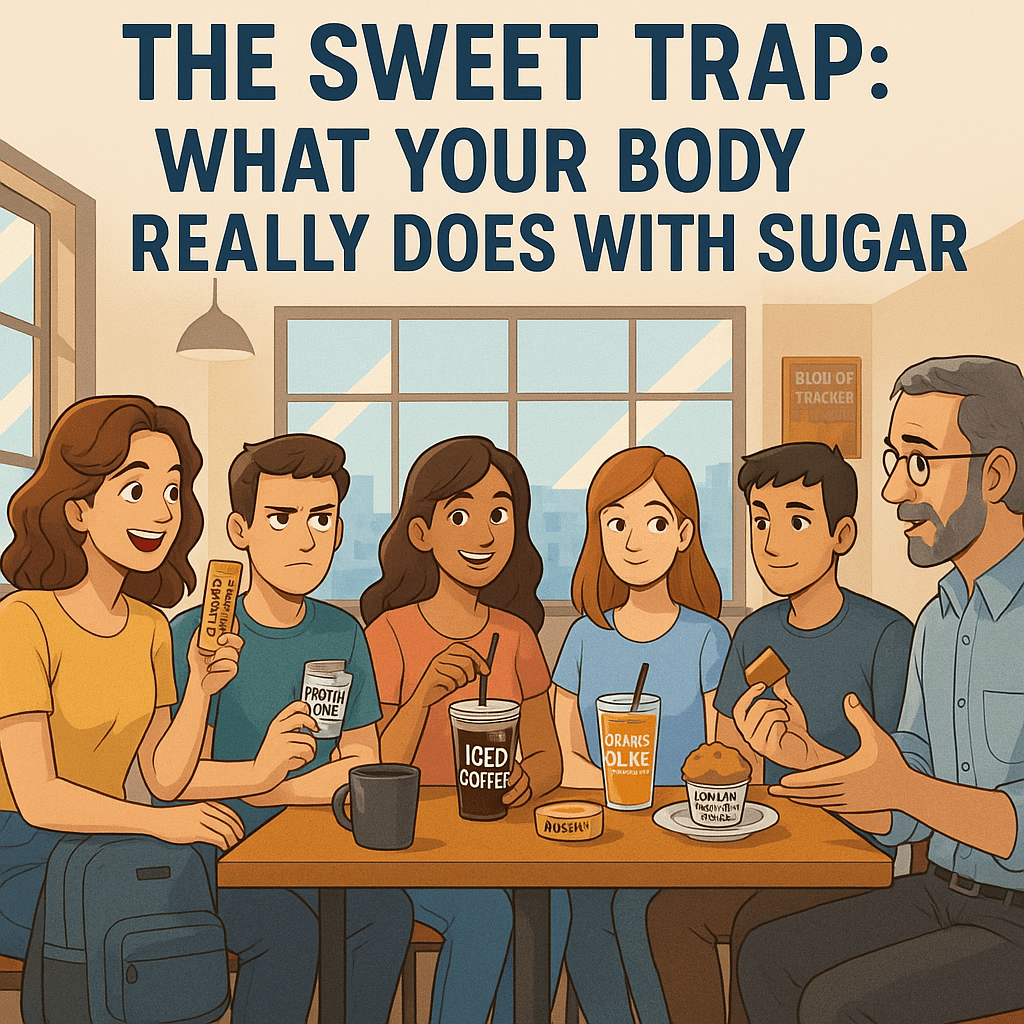
The Café Scene: Raising the Big Questions
It’s a typical afternoon at a busy café. A group of friends sits around a table, each holding a different sugary drink or snack: soda, iced tea, ice cream, honey-sweetened tea, jaggery snacks, and a fruit juice-packed protein shake. Laughter and conversation flow, but so do questions about what’s really in their cups and plates.
“Is sugar really that bad?”
“What about honey and jaggery—aren’t they healthy?”
“Doesn’t our body need sugar for energy?”
“What happens if we don’t eat sugar at all?”
“Are diet sodas and sugar-free products better?”
“If I eat fat, does that mean I won’t deposit fat?”
These questions are the perfect launchpad for understanding the true impact of sugar on your body. Let’s leave the characters behind and dive into the science.
What Happens When Sugar Enters Your Body: A Step-by-Step Breakdown
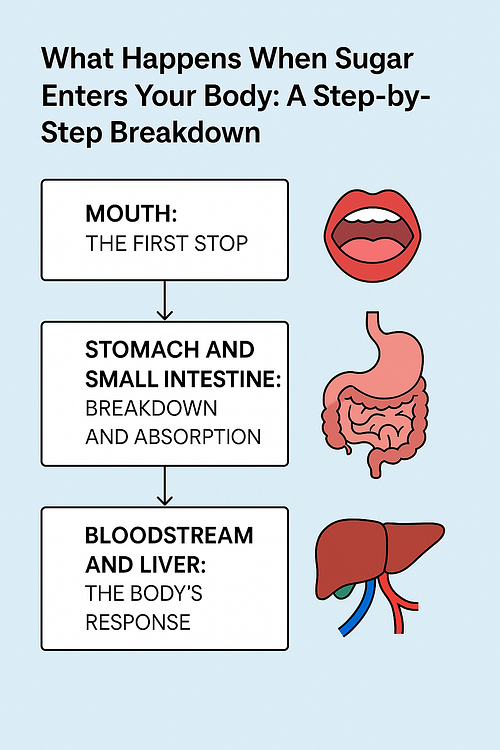
Digestion: How Sugar Is Processed (Glucose vs. Fructose)
1. Mouth: The First Stop
What happens: As soon as sugar hits your mouth, enzymes start breaking it down.
Why it matters: Simple sugars (like those in candy or soda) are digested quickly, unlike the complex carbs in whole grains or vegetables.
2. Stomach and Small Intestine: Breakdown and Absorption
What happens: Sugars like sucrose (table sugar) are broken into glucose and fructose in the small intestine.
How they’re different:
Glucose: Absorbed into the bloodstream quickly and used by every cell in your body for energy.
Fructose: Absorbed more slowly and sent directly to the liver for processing.
3. Bloodstream and Liver: The Body’s Response
Glucose: Causes a rapid rise in blood sugar, triggering insulin release from the pancreas.
Fructose: In the liver, fructose is converted into fat if there’s too much, contributing to fatty liver disease and insulin resistance.
The Sugar Timeline: What Happens Minute by Minute
0–5 Minutes: The Moment of Impact
What happens: Sugar enters your mouth and digestion begins.
Why it matters: Quick digestion means a fast rise in blood sugar.
5–20 Minutes: The Glucose Flood
What happens: Glucose rushes into your bloodstream.
Why it matters: Your pancreas releases insulin to help cells absorb glucose for energy.
The problem: If this happens too often, your cells become less sensitive to insulin (insulin resistance).
Fructose: The Liver’s Unwanted Guest
What happens: Fructose heads straight to your liver.
Why it matters: Your liver processes fructose like alcohol, turning it into fat. Over time, this leads to fatty liver disease.
30–90 Minutes: The Crash
What happens: After the initial energy spike, your blood sugar plummets.
Why it matters: You feel tired, hungry, and irritable—leading you to crave more sugar.
Immediate Effects
Energy rollercoaster: Highs and lows in energy and mood.
Brain fog: Difficulty concentrating and remembering.
Immune suppression: White blood cells work less efficiently.
Sleep disruption: Sugar late in the day can interfere with sleep quality.
Myth-Busting: Fat, Sugar, and Fat Storage

Myth:
You need to eat sugar for your body to function properly.
- Reality:
Your body does need glucose—a type of sugar—as a primary energy source, especially for your brain and muscles. However, your body is perfectly capable of producing all the glucose it needs from the carbohydrates, proteins, and fats you eat. You do not need to consume added sugar or even natural sugars directly to meet this need135. - The real culprit:
Many people confuse the body’s need for glucose with the idea that they must eat sugary foods. In reality, whole foods like fruits, vegetables, grains, and legumes provide glucose along with fiber, vitamins, and minerals—making them a much healthier choice than processed sugars. - Takeaway:
While glucose is essential for life, you don’t need to eat sugar to get it. Your body is designed to extract and make glucose from a wide variety of foods. Focus on a balanced diet rich in whole foods, and let your body handle the rest!
Myth:
Eating fat means your body will deposit fat.
Reality:
Eating fat does not automatically make you fat. Your body stores fat when you consume more calories than you burn, regardless of whether those calories come from fat, carbs, or protein.The real culprit:
Excess sugar (especially fructose) is easily converted to fat in the liver. Eating too many calories—especially from sugar and refined carbs—is what leads to fat storage, not just eating fat itself.Takeaway:
A balanced diet with healthy fats, proteins, and complex carbs is key. Processed sugars and refined carbs are much more likely to be stored as fat than healthy fats.Myth:
Honey is natural and healthy.Reality:
Honey is mostly sugar (about 40% fructose, 30% glucose). The tiny amount of vitamins and antioxidants doesn’t offset the high sugar load.The real culprit:
Regularly consuming large amounts of honey—or any concentrated sweetener—can spike blood sugar just like table sugar, leading to insulin resistance and fat storage46.Takeaway:
A spoonful of honey isn’t a health food. Use it sparingly, and don’t be fooled by “natural” labels.Myth:
Jaggery is unrefined and healthier than sugar.Reality:
Jaggery is still mostly sugar with a little iron and minerals. The nutritional difference from regular
Myth:
Diet sodas and sugar-free drinks are healthy alternatives to regular sugary beverages.
- Reality:
While diet sodas and sugar-free drinks don’t contain sugar or calories, they often contain artificial sweeteners like aspartame, sucralose, or saccharin. Research shows that regular consumption of these beverages is linked to increased risks of type 2 diabetes, high blood pressure, cardiovascular problems, weight gain, and even depression137. Some studies suggest they may also disrupt gut health and increase cravings for sweet foods8. - The real culprit:
Artificial sweeteners can trick your body into craving more sugar and calories, potentially leading to overeating and metabolic issues. Additionally, observational studies have found associations between diet soda intake and higher risks of heart disease, stroke, and even mental health concerns. - Takeaway:
Diet sodas and sugar-free drinks are not a “healthy” alternative—they come with their own set of risks. Water, unsweetened tea, or infused water are much better choices for staying hydrated and healthy.
Myth:
Fruit juices are healthy because they’re made from fruit and don’t contain added sugar.
- Reality:
Even 100% fruit juice (with no added sugar) is high in natural sugars and lacks the fiber found in whole fruits. Without fiber, the sugar in juice is absorbed quickly, causing rapid spikes in blood sugar and insulin levels—similar to sugary sodas. - The real culprit:
Drinking fruit juice regularly can contribute to weight gain, insulin resistance, and increased risk of type 2 diabetes. The fiber in whole fruit slows sugar absorption and provides important nutrients, but juicing removes this benefit. - Takeaway:
Eat whole fruits instead of drinking juice to get the full nutritional benefits and avoid blood sugar spikes. If you do enjoy juice, keep portions small and make it an occasional treat.
Want a quick way to tell if a food is truly healthy? Simply check its scientific value known as the glycemic index—it’s a reliable measure that reveals how sharply a food will spike your blood sugar.
| GI Category | Examples of Foods |
| High (≥70) | White rice, puffed rice, white bread, maida, dosa, idli, samosa, puri, bhature, vada pav, medu vada, lemon rice, cornflakes, jaggery, cookies, poha, pumpkin, watermelon |
| Medium (56–69) | Muesli, rye, couscous, basmati rice, sweet potato, beetroot, papaya, pineapple, raisins, honey, table sugar, brown sugar, noodles, soft drinks, roti, upma, paratha, banana, mango |
| Low (≤55) | Whole wheat (atta roti), brown rice, quinoa, barley, soybean, broccoli, carrot, cauliflower, eggplant, lettuce, spinach, tomatoes, apple, guava, jamun, orange, pear, peach, plum, strawberries, blueberries, lentils (dal), chickpeas (chana), kidney beans (rajma), black-eyed peas (chawli), milk, yogurt, cheese, nuts, seeds |
Quick Tip:
Opt for whole grains, legumes, vegetables, and nuts to keep your blood sugar stable. Limit refined grains and sugary snacks for better health!
The Disease Cascade: How Sugar Leads to One Problem After Another


1. Insulin Resistance & Prediabetes: The City’s Alarm Bells
How it starts:
Sugar floods your bloodstream after every sugary snack or drink. Your pancreas—the city’s emergency response team—sends out insulin to help move sugar into cells for energy.
What goes wrong:
But when sugar attacks are constant, your cells get overwhelmed. They stop listening to insulin’s signals. Blood sugar levels stay high, and the city’s alarm bells (your body’s warning system) start ringing.
What it feels like:
You might not notice anything at first, but inside, your body is struggling to keep up.
2. Type 2 Diabetes: The City’s Power Grid Fails
How it develops:
With insulin resistance, your pancreas works overtime, but eventually, it burns out. Blood sugar stays dangerously high, damaging blood vessels and nerves.
Cascading effects:
Poor wound healing: Damaged blood vessels mean cuts and scrapes heal slowly, and infections are more likely.
Neuropathy: Nerves in your hands and feet get damaged, causing tingling, pain, or numbness.
Retinopathy: Blood vessels in your eyes weaken, leading to blurry vision or even blindness.
Kidney disease: High blood sugar damages the kidneys’ delicate filters.
Heart disease: Damaged blood vessels increase the risk of heart attacks.
Immune suppression: Your immune system weakens, making infections harder to fight.
What it feels like:
You might feel tired all the time, thirsty, or notice frequent infections. Small cuts take forever to heal.
3. Obesity & Metabolic Syndrome: The City’s Traffic Jam
How it develops:
Excess sugar is stored as fat, especially around your belly. Your body’s “traffic” (metabolism) gets clogged.
Cascading effects:
Joint pain: Extra weight stresses your joints, leading to pain and stiffness.
Sleep apnea: Fat deposits block your airways, causing poor sleep and daytime fatigue.
Worse insulin resistance: More fat makes cells even less sensitive to insulin, making diabetes harder to control.
Metabolic syndrome: High blood pressure, high blood sugar, and abnormal cholesterol team up to increase heart disease risk.
What it feels like:
You feel sluggish, achy, and out of breath easily. Your energy levels are unpredictable.
4. Fatty Liver Disease (NAFLD): The City’s Waste Plant Overflows
How it develops:
Your liver, the city’s waste treatment plant, gets overwhelmed by fructose. It starts storing fat, leading to inflammation and scarring.
Cascading effects:
Liver inflammation (NASH): The liver swells and becomes damaged.
Cirrhosis: Scarring replaces healthy liver tissue.
Liver cancer: Advanced scarring increases cancer risk.
Metabolic dysfunction: Liver problems make insulin resistance and diabetes worse.
What it feels like:
You might not notice anything at first, but as the disease progresses, you feel tired, bloated, or have pain in your upper right abdomen.
5. Cardiovascular Disease (Heart Disease & Stroke): The City’s Roads Crumble
How it develops:
Chronic high blood sugar, high blood pressure, and inflammation damage your blood vessels—the city’s roads and highways.
Cascading effects:
Heart attack: Blocked arteries cut off blood flow to your heart.
Stroke: Blocked or burst blood vessels in your brain cause brain damage.
Peripheral artery disease: Poor circulation causes pain and wounds in your legs.
Kidney disease: High blood pressure further damages your kidneys.
Heart failure: Your heart weakens and can’t pump blood effectively.
What it feels like:
You might feel chest pain, shortness of breath, or notice swelling in your legs. Your energy drops, and everyday activities become harder.
6. Chronic Kidney Disease (CKD): The City’s Water Treatment Fails
How it develops:
High blood sugar and pressure damage your kidneys’ filters—the city’s water treatment plant.
Cascading effects:
Waste buildup: Toxins accumulate in your blood.
High blood pressure: Kidney disease raises blood pressure, which damages your heart and kidneys even more.
Anemia: Your kidneys produce fewer red blood cells, making you feel weak and tired.
Bone disease: Your kidneys can’t regulate calcium and phosphorus, weakening your bones.
End-stage renal disease: Kidneys fail, requiring dialysis or a transplant.
What it feels like:
You feel exhausted, nauseous, or notice swelling in your hands and feet. Your skin might itch, and your appetite drops.
7. Autoimmune & Inflammatory Diseases: The City’s Police Force Goes Rogue
How it develops:
Chronic inflammation from sugar triggers your immune system—the city’s police force—to attack healthy tissues.
Cascading effects:
Autoimmune disorders: Your immune system attacks your joints (rheumatoid arthritis), skin (psoriasis), or other organs.
Chronic pain: Inflammation causes joint and muscle pain.
Organ damage: Long-term inflammation can damage your heart, lungs, and kidneys.
What it feels like:
You feel achy, stiff, or notice rashes. Your energy is low, and you’re more prone to infections.
8. Cognitive Decline & Alzheimer’s (“Type 3 Diabetes”): The City’s Control Center Fails
How it develops:
High blood sugar damages brain cells and increases amyloid plaques—the city’s control center gets clogged.
Cascading effects:
Memory loss: You forget names, dates, or where you put your keys.
Cognitive decline: Thinking, reasoning, and judgment are impaired.
Behavioral changes: You might feel confused, irritable, or notice personality changes.
Loss of independence: Advanced disease makes daily tasks impossible.
What it feels like:
You struggle to remember things, feel confused, or notice changes in your mood and behavior.
9. Accelerated Aging: The City Crumbles
How it develops:
Advanced glycation end products (AGEs) form when sugar binds to proteins—like rust on metal.
Cascading effects:
Skin aging: Wrinkles, sagging, and reduced elasticity.
Organ damage: AGEs damage tissues and organs throughout your body.
Increased risk of chronic diseases: The cycle continues, with each new problem making the next more likely.
What it feels like:
You look older than your age, feel tired, and notice more aches and pains.
10. The Interconnected Web of Problems: The City’s Downward Spiral
Summary:
Each condition makes the next more likely, creating a vicious cycle of declining health. Your body—once a thriving city—becomes a place of chaos, with crumbling roads, failing power grids, and a police force that can’t tell friend from foe.
11. Compromised Immunity
Imagine your white blood cells (WBCs) are like security guards at a party (your body). Their job is to keep troublemakers (germs) out and make sure everyone behaves.
Now, when you eat a lot of sugar, it’s like someone slipped a bunch of free candy and soda into the party. The security guards get a sugar rush—they start feeling sleepy, distracted, and maybe even a little goofy. Instead of keeping a sharp eye out for troublemakers, they’re busy daydreaming or even snacking on the candy themselves!
Result:
Troublemakers (germs) sneak in easily and cause chaos, because the guards (your WBCs) aren’t doing their job as well as they should.
The good news:
You can stop the cascade by reducing sugar and making healthier choices. Your city can rebuild, stronger than ever.
Remember:
Every sugary treat is like inviting the troublemaker back into your city. Choose wisely, and keep your city—your body—healthy and thriving!
How Much Sugar Is Okay? W.H.O vs Reality
- WHO Recommendation: Less than 10% of daily calories from added sugar, ideally under 5%. For a teen eating 2000 calories, that’s about 25 grams (6 teaspoons) per day.
- Reality Check: A can of soda has 35–40 grams—already over your limit. A small cake or frappuccino can have 25–50 grams.
If you must indulge:
- Limit treats to once or twice a week.
- Choose smaller portions.
- Eat with a meal, not on an empty stomach.
Are Sugar-Free and Diet Products Better?
- Diet sodas, Coke Zero, sugar-free drinks: Don’t spike blood sugar, but keep you hooked on sweet tastes, may mess with gut bacteria, and don’t help you break the sugar habit.
- Bottom line: They’re less harmful than regular sugar, but not a true solution.
Life Without Added Sugar: The Timeline
- First week: Withdrawal symptoms (headaches, irritability, fatigue).
- 2–4 weeks: Energy stabilizes, sleep improves, mental clarity increases.
- 2–3 months: Taste buds reset, natural foods taste sweeter, processed foods taste artificial.
- Long-term: Reduced inflammation, better immune function, stable mood, improved focus, healthier weight, lower risk of chronic diseases.
The Bottom Line: Why It Matters
Every time someone says, “A little sugar won’t hurt,” remember: a little poison won’t kill you right away, but it adds up. Sugar is linked to obesity, diabetes, heart disease, stroke, fatty liver, dental problems, cancer, Alzheimer’s, depression, autoimmune disorders, osteoporosis, and kidney disease.
Your body is designed to thrive on real, whole foods—not on the sweet poison of added sugars. The power to rewrite your health story starts with your next meal. Choose wisely!
The Sweet Deception: How Sugar Hijacks Your Body Read More »