The Fat Fiasco: Why Your Brain is Starving (And How to Feed It Right)
Your Brain’s Lipid Lifeline: The Science of Fats, Cholesterol, and Triglycerides
🏛️ The Brain: The Headquarters Built on Fat
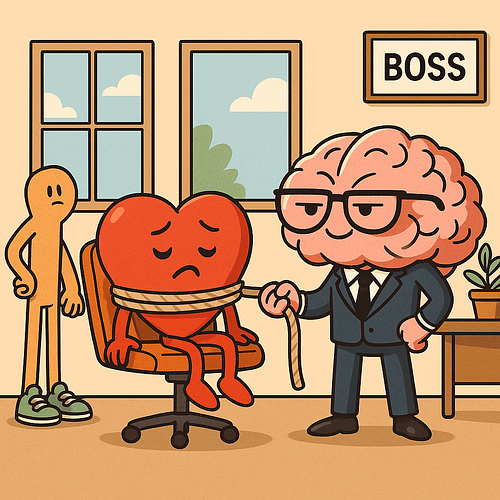
Imagine your body as a massive, high-stakes corporation.
At the very top is the headquarters—your brain.
It’s the command center, the hub where every decision is made, every plan is hatched, every system is managed.
But here’s the twist:
This headquarters isn’t made of concrete or steel. It’s not some high-tech glass building.
It’s built on fat.
That’s right—your brain is about 60% fat by weight. It’s a buttery, fatty powerhouse that relies on lipids for everything:
Structure (cell membranes).
Communication (neurotransmitters).
Speed (myelin sheaths).
Energy (fat metabolism in neurons).
Now imagine this:
One day, someone gets scared of “fats” because of what they heard on TV.
They decide to cut the budget—no more fats in the system.
The headquarters panics. The walls (cell membranes) start crumbling.
The wiring (neurons) frays. The communication lines glitch.
Suddenly, decisions slow down. Focus blurs. Motivation vanishes. Mood tanks.
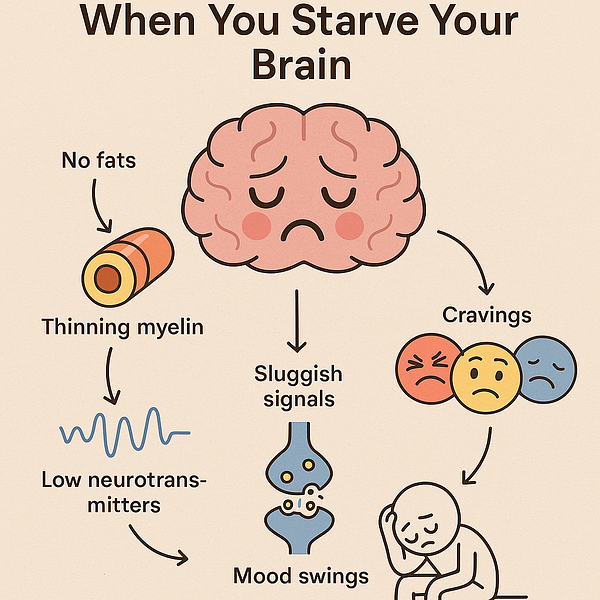
This is exactly what happens when you starve your brain of fats.
Your brain isn’t fighting fats—it is fats.
The Cholesterol Highway: Understanding Your Body's Logistics Network
Your body is like a massive construction site—every cell is building, repairing, expanding. Cholesterol is the raw material—the bricks and cement needed to build walls (cell membranes), communication lines (hormones), and even roads (nerves).
But cholesterol can’t just float around in your bloodstream like confetti—it’s not water-soluble. It needs special delivery trucks to carry it from the factory (liver) to the construction sites (cells). These trucks are called lipoproteins.
LDL: The Delivery Trucks (Not the Villains)
Think of LDL (Low-Density Lipoprotein) as the cargo truck carrying raw materials to your body’s construction sites. LDL’s job is simple but critical:
- Delivers cholesterol from your liver to cells that need it for building and repair
- Supplies raw materials for hormone production (testosterone, estrogen, cortisol)
- Provides building blocks for cell membranes and vitamin D synthesis
So why does LDL get such a bad rap? Because when there’s too much LDL, or when the roads (your arteries) are damaged by inflammation, the trucks start piling up. They get stuck, cholesterol leaks out, and immune cells come rushing in like police at an accident site. This leads to plaques, narrow arteries, and eventually—heart disease.
But here’s the truth: LDL isn’t bad by default. It’s essential. It’s only dangerous when you have too much of it OR your arteries are damaged by smoking, high sugar intake, processed food, lack of exercise, or chronic stress.
HDL: The Cleanup Crew (The Real Heroes)
HDL (High-Density Lipoprotein) is the good guy—the garbage truck. Its job is to:
- Pick up excess cholesterol from arteries and tissues
- Return it to the liver for recycling or disposal
- Prevent LDL from building up where it shouldn’t
More HDL = better cleanup = less risk of blockages. It’s your body’s maintenance crew working 24/7 to keep the highways clear.
When Things Go Wrong: The Real Culprits
Let’s get this straight: LDL isn’t dangerous by itself. Cholesterol isn’t evil by default.
What’s dangerous is when LDL + inflammation + oxidative stress join forces. Here’s the science:
- When LDL particles get oxidized (damaged by free radicals), they become sticky and trigger an immune response
- Your body thinks it’s under attack, so white blood cells try to clean up the mess
- This creates foam cells and plaques, narrowing arteries and risking blockages
So the real villains are:
- Sedentary lifestyle (poor traffic management)
- Processed, inflammatory foods (road damage)
- Sugar overload (arterial wall damage)
- Chronic stress (system-wide inflammation)
Your Brain: The Fatty Masterpiece You've Been Starving

Here’s a fact that’ll reshape how you think about nutrition: Your brain is approximately 60% fat by dry weight. It’s not just using fat—it’s literally built from it.
Why Your Brain Needs Fat (The Science Made Simple)
Cell Membranes: Every brain cell is wrapped in a double layer of fats (phospholipid bilayer). Without adequate fats, these protective barriers become brittle instead of flexible.
Myelin Sheath: Think of neurons as electrical wires, and fats as the insulation that lets signals travel smoothly. The myelin sheath is the fatty insulation around neurons that allows signals to travel 200 times faster. Without adequate fats, your brain becomes like an old building with frayed wires—signals short-circuit, leading to brain fog, memory issues, and mood disorders.
Neurotransmitter Production: Fats help regulate brain chemicals that control your entire mental experience. A fat-deprived brain is like an office with no internet—slow, unreliable, and frustrating. Without adequate fats, production of key neurotransmitters tanks:
- Dopamine (motivation and reward)
- Serotonin (mood and happiness)
- Acetylcholine (memory and learning)
The Omega Balance: Your Brain's Delicate Ecosystem
Not all fats are created equal. Your brain health depends on the right balance:
Omega-3 Fatty Acids (The Brain’s Best Friends):
- DHA & EPA: Anti-inflammatory superstars that build brain cell membranes
- Sources: Fatty fish, flaxseeds, walnuts, chia seeds
- Function: Strengthen myelin, boost neurotransmitters, fight inflammation
Omega-6 Fatty Acids (Essential but Dangerous in Excess):
- Function: Necessary for brain function but inflammatory in large amounts
- Sources: Vegetable oils, processed foods
- The Problem: Modern diets often have 20:1 omega-6 to omega-3 ratios instead of the ideal 4:1
The Low-Fat Diet Disaster: When Fear Creates Disease
The war against fats created an epidemic of brain fog, mood disorders, and cognitive decline. Here’s what happens when you starve your brain:
The Downward Spiral
- Reduced fat intake → Less raw material for brain cells
- Myelin deterioration → Slower signal transmission
- Neurotransmitter decline → Mood swings, poor focus
- Sugar cravings → Brain desperately seeking quick energy
- Inflammation cycle → Processed carbs damage brain function further
The Real-World Impact
Studies consistently show:
- Low-fat diets increase depression and anxiety risk
- Omega-3 deficiency accelerates cognitive decline
- High-processed-carb, low-fat diets reduce brain volume over time

The Trans Fat Crisis: The Real Villain in Your Diet
While we were demonizing butter and ghee, the real enemy was hiding in plain sight: trans fats.
How Trans Fats Are Born (The Frankenstein Process)
Food manufacturers wanted oils that stay solid at room temperature (like margarine) and have long shelf life for packaged snacks. So they took liquid vegetable oils and pumped them full of hydrogen atoms in a process called hydrogenation.
This chemical process distorts the natural structure of fats—creating trans fats that your body doesn’t recognize. It’s like trying to fuel a Ferrari with toxic sludge—the engine sputters, chokes, and eventually fails.
The Damage They Cause
Trans fats are metabolic wrecking balls:
- Replace healthy fats in cell membranes
- Trigger chronic inflammation
- Raise LDL while lowering HDL (double damage)
- Cause insulin resistance and metabolic dysfunction
Where They Hide
- Packaged snacks and baked goods
- Fried fast foods
- Margarine and vegetable shortening
- Anything with “partially hydrogenated oils” on the label
How to Feed Your Brain Right: The Smart Eating Strategy

Want razor-sharp focus, stable mood, and mental clarity? Here’s your blueprint:
Fats First (The Brain’s Premium Fuel)
Omega-3 Rich Foods:
- Fatty fish (salmon, sardines, mackerel) – 2-3 times per week
- Flaxseeds, chia seeds, walnuts – daily handfuls
- Quality fish oil supplements if needed
Healthy Saturated Fats:
- Ghee and grass-fed butter – for cooking and flavor
- Coconut oil – excellent for high-heat cooking
- These provide stability and hormone production support
Monounsaturated Fats:
- Extra virgin olive oil – for salads and low-heat cooking
- Avocados, almonds, olive oil – for flexibility and anti-inflammatory benefits
Balance with Quality Carbs and Proteins
- Complex carbs: Whole grains, fruits, vegetables (for fiber and antioxidants)
- Quality proteins: Eggs, lean meats, legumes (for neurotransmitter building blocks)
- Hydration: Your brain is 75% water—dehydration equals instant fog
The Exercise Connection: Your Body's Traffic Management System
Think of exercise as your body’s traffic management system:
- Keeps the roads (arteries) wide and clear
- Boosts HDL levels (more cleanup crews on duty)
- Lowers triglycerides (reduces backup fuel stored as fat)
- Improves insulin sensitivity (reduces inflammation that damages artery walls)
- Reduces LDL oxidation (less sticky, problematic particles)
Studies show even 30 minutes of moderate exercise (like brisk walking) can transform your cholesterol profile. You don’t need to run marathons—you just need to move consistently.
The Marketing Myths That Misled Us
Let’s set the record straight on the biggest nutritional lies:
The Sugar Industry Cover-Up
In the 1960s, sugar industry-funded research quietly shifted blame for heart disease from sugar to fats. The result? We cut fat and loaded up on sugar—making obesity and diabetes skyrocket.
The Low-Fat Product Scam
Food companies stripped fat from everything, then added sugar, artificial flavors, and chemicals to make it taste decent. We got sicker, not healthier.
The Olive Oil Halo Effect
While olive oil is excellent, it’s not magic. No single food can undo a lifestyle of inactivity and processed food consumption.
Your Call to Action: Stop Fearing, Start Thriving
It’s time to end the fat phobia and start feeding your brain like the sophisticated machine it is.
What to Do Starting Today:
- Embrace healthy fats – Add ghee to your cooking, snack on nuts, enjoy fatty fish
- Eliminate trans fats – Read labels, avoid processed junk
- Balance your omegas – Reduce processed oils, increase omega-3 rich foods
- Move daily – Walk, dance, lift, stretch—just move consistently
- Manage stress – Chronic stress wrecks your entire system
The Bottom Line

Your brain isn’t asking you to fear fats—it’s begging you to respect them. When you fuel your brain with the fats it needs, you unlock:
- Crystal-clear thinking
- Stable, positive mood
- Sustained energy throughout the day
- Better memory and learning capacity
- Reduced risk of cognitive decline
So the next time someone says “ghee will kill you,” smile and respond: “No, starving my brain will.”
Your mind is the CEO of your life. It’s time to give it the premium fuel it deserves.
The Fat Fiasco: Why Your Brain is Starving (And How to Feed It Right) Read More »