September 2025

white rice /brown rice mystery

Grain & Prejudice: The Rice Wars
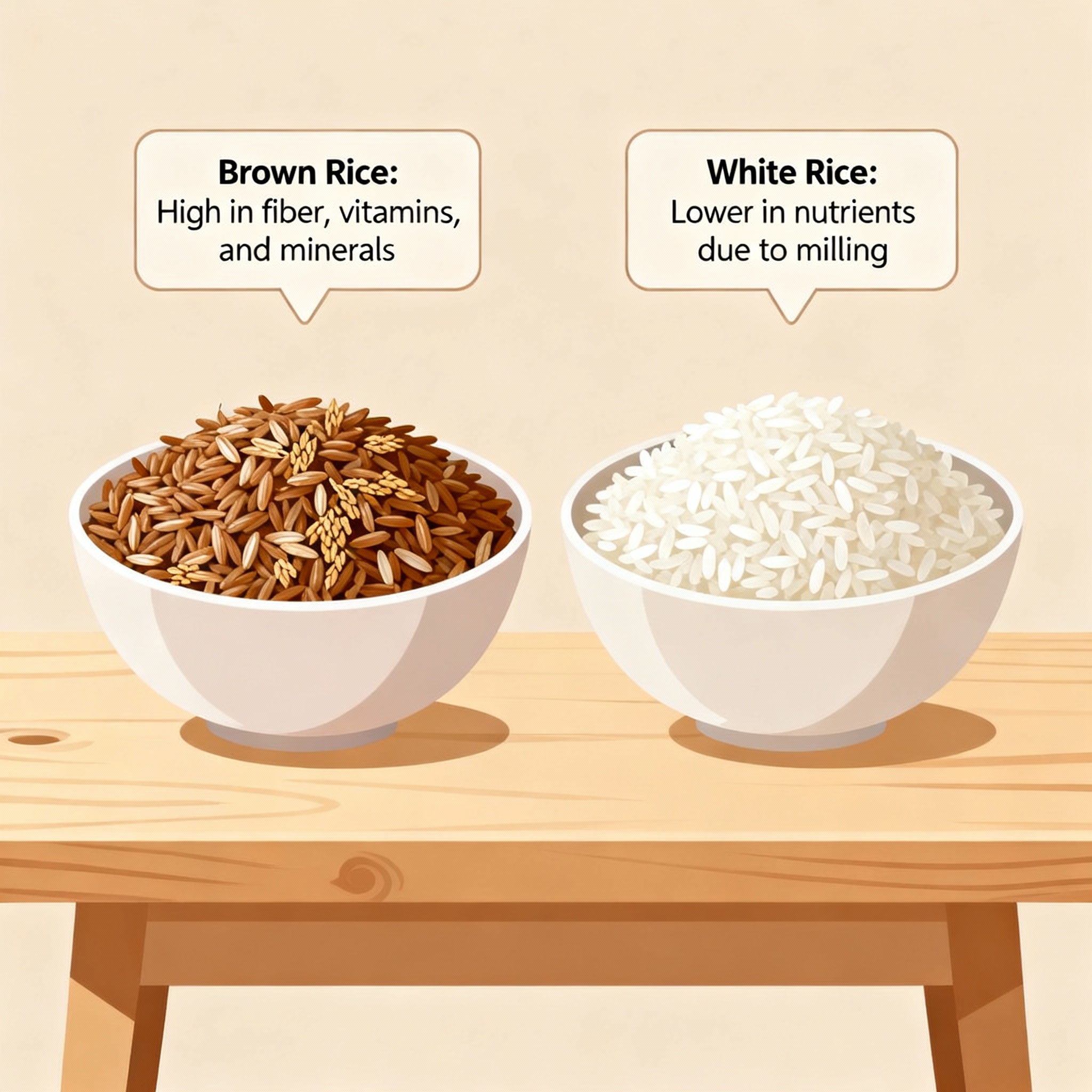
Brown Rice vs White Rice Comparison

Welcome to the most heated kitchen debate since chapati vs bread! In one corner, we have the sophisticated brown rice—the Jane Austen of grains, beloved by health enthusiasts and Instagram nutritionists. In the other corner, humble white rice—the dependable friend that's fed billions but somehow became the villain. Let's settle this grainy drama once and for all!

Meet Our Grainy Protagonists

  • Brown Rice: The wholesome, unpolished hero with its bran intact. Fiber-rich, nutrient-dense, and slightly nutty. Think of it as the responsible older sibling who went to health school and never lets you forget it!
  • White Rice: The processed, polished charmer that's been stripped of its outer layers. Quick-cooking, easy to digest, and comfort food royalty. The reliable friend who's always there when you need a quick meal!
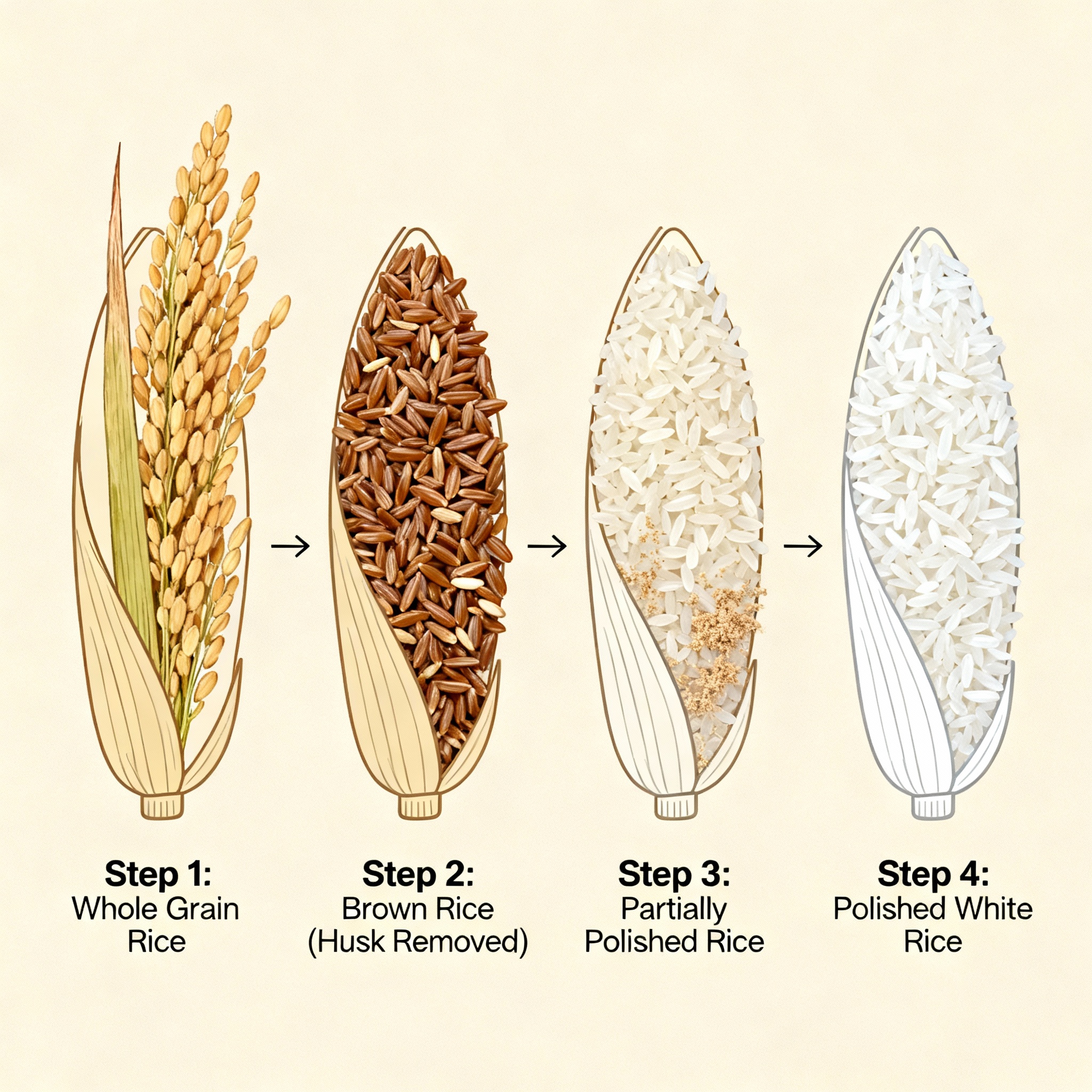
Rice Processing Stages

The Nutritional Plot Twist

  • Fiber Drama: Brown rice wins with 3.5g fiber per cup vs white rice's measly 0.6g. Your digestive system definitely notices this difference—brown rice keeps you full longer and your gut bacteria happier!
  • Glycemic Showdown: Brown rice has a lower glycemic index (50) vs white rice (73). This means less blood sugar spikes—good news for diabetics and anyone avoiding energy crashes!
  • Vitamin & Mineral Mystery: Brown rice contains more magnesium, phosphorus, and B vitamins. But here's the plot twist—white rice is often fortified with nutrients, including folic acid!
  • Calorie Confusion: The difference is tiny—brown rice has 216 calories per cup vs white rice's 205. If you're counting calories, this isn't your battleground!

⚠️ The Arsenic Reality Check

Here's the uncomfortable truth: Brown rice contains MORE arsenic than white rice because arsenic concentrates in the bran layer. This doesn't mean panic, but it does mean moderation—especially for pregnant women and children.

  • Why This Matters: Long-term arsenic exposure is linked to cancer, heart disease, and diabetes. The levels in rice aren't immediately dangerous, but daily consumption adds up.
  • The Solution: Rinse rice thoroughly, cook in excess water, vary your grains, and don't make rice your only carb source.

🩺 The Diabetes Myth-Busting

The Myth: "White rice causes diabetes, brown rice prevents it." The Reality: It's more nuanced than your wellness coach told you.

  • The Research: Studies show higher white rice consumption is linked to increased diabetes risk, especially in Asian populations eating 3+ servings daily.
  • The Context: It's not just the rice—it's the portion size, what you eat with it, your activity level, and genetics. Brown rice is better, but it won't save you from a sedentary lifestyle!
  • Indian Reality: For most Indians eating rice with dal, vegetables, and curry, the glycemic impact is already moderated by protein and fiber from other foods.

The Dramatic Resolution: When to Choose Which

  • For Weight Management: Brown rice wins with higher fiber keeping you full longer. But portion control matters more than rice color!
  • For Digestive Issues: White rice is gentler on sensitive stomachs and easier to digest during illness or digestive upset.
  • For Diabetes Management: Brown rice is better for blood sugar control, but pair either with protein and vegetables for best results.
  • For Quick Energy: White rice provides faster fuel for athletes or after intense workouts.
  • For Budget Cooking: White rice is cheaper, cooks faster, and has longer shelf life.
  • For Pregnant Women: Consider limiting brown rice due to higher arsenic levels; white rice with varied nutrition sources might be safer.

Breaking the Fourth Wall: Marketing vs Reality

The real villain isn't white rice—it's the portion sizes and sedentary lifestyles! Brown rice isn't a magic bullet, and white rice isn't poison. Both can fit into healthy diets when eaten mindfully. The wellness industry loves creating food villains, but your great-grandmother thrived on white rice without Instagram nutrition advice!

The Sensible Ending

Why not have both? Use brown rice when you want extra nutrition and fiber, white rice when you need comfort or quick energy. Mix them together for a compromise! The real wisdom? Focus on overall diet quality, portion sizes, and staying active. Your health depends more on what you do consistently than which grain wins your imaginary food wars!

white rice /brown rice mystery Read More »
SALTY MYSTERY:WHICH ONE TO GO FOR

Salt & Sensibility: A Colorful Kitchen Drama

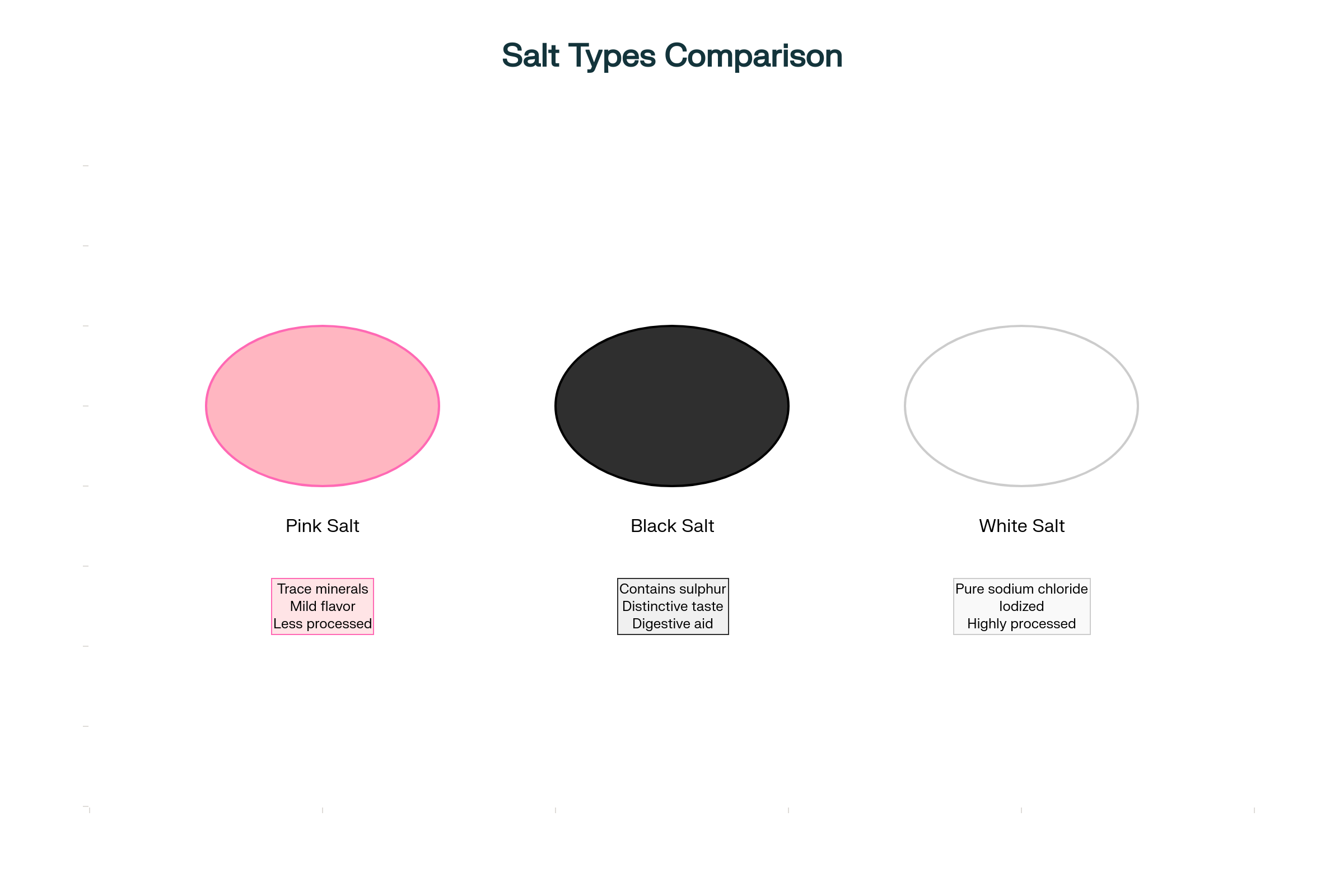
Pink Black White Salt Comparison

Welcome to the most dramatic love triangle in your kitchen! Three salts, each with their own personality, backstory, and devoted fan following. Will our heroine (that's you) choose the mysterious pink mountain dweller, the sultry black volcanic rebel, or stick with the dependable white classic? Let the kitchen drama unfold!

Meet Our Leading Characters

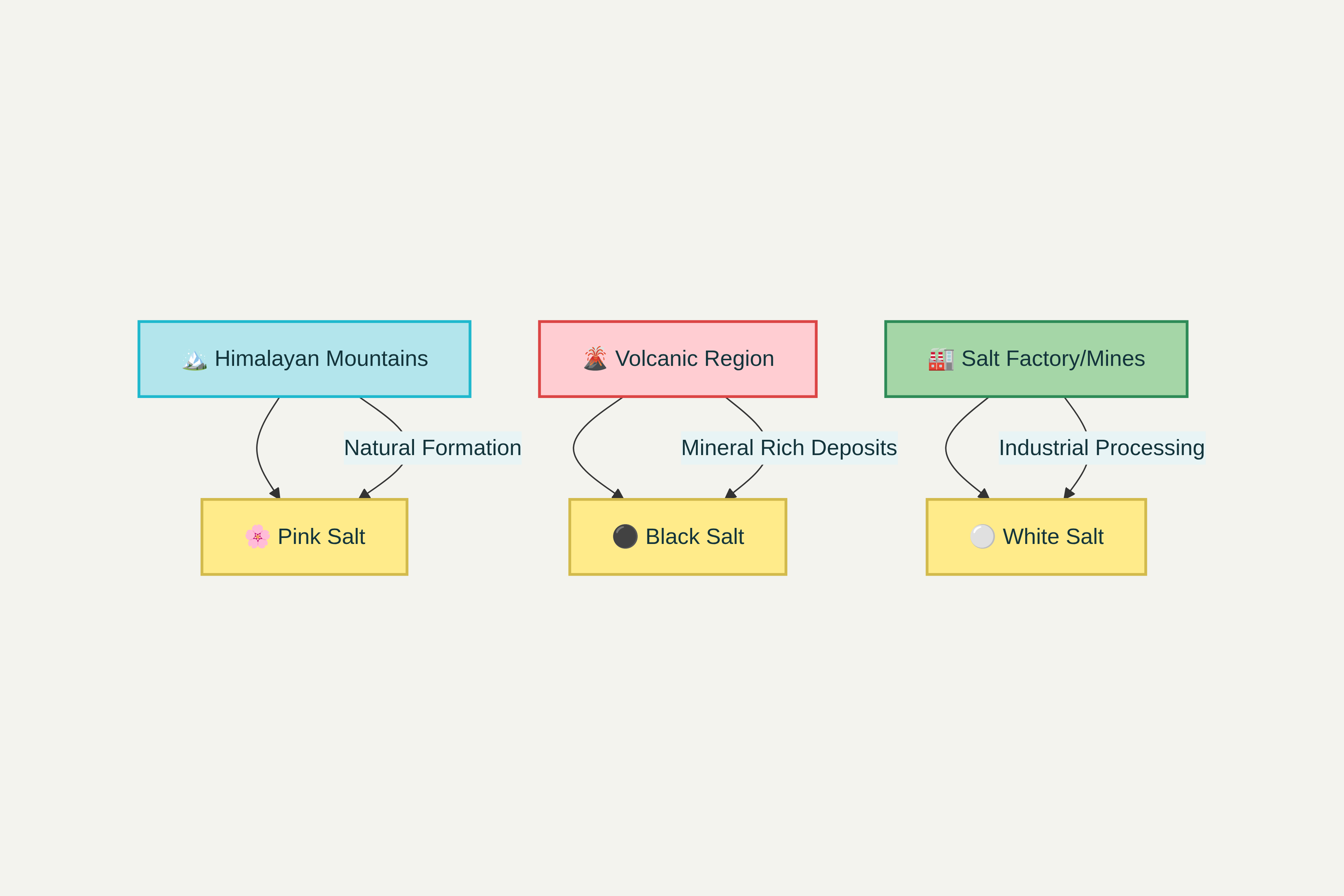
  • Pink Himalayan Salt: The exotic beauty with ancient mountain secrets. Born in Pakistan's salt mines, blessed with 80+ minerals, and Instagram's favorite child. Subtle, sophisticated, slightly less salty than her rivals. Think Jane Austen heroine with a mineral-rich personality!
  • Black Salt (Kala Namak): The mysterious bad boy with a volcanic past and sulfurous charm. Smells like trouble (literally), tastes like heaven in your chaat. Ayurveda's favorite digestive sidekick. The Mr. Darcy of the salt world—misunderstood but irresistible!
  • White Table Salt: The reliable best friend who's always been there. Processed, practical, iodine-fortified, and keeps your thyroid drama-free. Not flashy, but has saved more lives than both romantic leads combined!
Salt Origins

The Plot Thickens: Health & Drama

  • The Heart-Wrenching Truth: All three are high in sodium. Pink's "lower sodium" claim won't save you from that midnight pizza habit. Your heart doesn't care about the color—it cares about the quantity!
  • The Thyroid Subplot: White salt's iodine is the unsung hero preventing goiter and thyroid disasters across India. Don't let the trendy alternatives steal this crucial scene!
  • The Digestive Romance: Black salt and your stomach have the most genuine love story. That sulfur content genuinely helps with bloating and digestion—no acting required!
  • The Mineral Mystery: Pink salt's trace minerals sound impressive until you realize you'd need to eat a mountain to get meaningful nutrition. It's seasoning, not a supplement!

⚠️ The Iodine Drama: A Health Reality Check

Here's the uncomfortable truth your wellness influencer won't tell you: Pink and black salts are NOT iodized. If you completely ditch white salt for trendy alternatives, you're risking iodine deficiency—and that's genuinely dangerous.

  • What Happens: Iodine deficiency causes goiter (enlarged thyroid), hypothyroidism, fatigue, weight gain, and in pregnant women, severe developmental issues in babies.
  • Why India Cares: We had widespread iodine deficiency until salt iodization became mandatory. This isn't paranoia—it's public health success!
  • Who's at Risk: Pregnant women, children, vegetarians, and anyone living inland (away from iodine-rich coastal foods) who completely switches to non-iodized salts.
  • The Reality: Unless you're eating seafood daily or taking iodine supplements, you NEED some iodized salt in your life.

🩺 The Blood Pressure Myth: Let's Get Real

The Myth: "White salt is dangerous for BP patients, but pink/black salts are safe." The Reality: This is dangerous nonsense that could literally kill people.

  • The Science: High blood pressure is caused by SODIUM, not the color or source of salt. All salts are primarily sodium chloride—white salt ~97%, pink salt ~95%, black salt ~94%.
  • The Numbers: Pink salt has marginally less sodium per gram, but the difference is so tiny (2-3%) that it's medically irrelevant. You'd need to eat pounds to see any benefit!
  • Why This Myth Kills: BP patients who switch to "healthy" salts thinking they're safe often end up consuming MORE salt because they believe the marketing lies.
  • What Doctors Actually Say: "Reduce ALL salt intake to under 1 teaspoon daily, regardless of color." Period. No exceptions.
  • The Potassium Factor: Some claim pink/black salts have potassium that "balances" sodium. The amounts are negligible—eat a banana instead!

The Dramatic Resolution: Who Gets the Girl?

  • For Everyday Romance: Pink salt wins with its gentle nature and mineral whispers. Perfect for the slow-burn, daily cooking relationship—but watch that quantity!
  • For Passionate Encounters: Black salt brings the fire to Indian cuisine and digestive relief. When you need drama and flavor, this is your leading man—in moderation!
  • For Reliable Partnership: White salt is the steady companion for baking, budget cooking, and thyroid health. Not flashy, but absolutely dependable—and just as "dangerous" as the others for BP patients!
  • For Health Crises: Skip the salt drama and consult your doctor. When serious health issues are the plot, focus on medical advice, not marketing stories!

Breaking the Fourth Wall: Marketing vs Reality

Plot twist! The real villain in this story isn't any of our salt characters—it's the overhyped marketing claiming miracle powers AND the dangerous advice about BP safety. Pink salt won't detoxify your life, black salt isn't a cure-all, and NONE of them are safe for uncontrolled hypertension. The only "good" salt for BP patients is LESS salt, regardless of Instagram aesthetics!

The Happy (and Healthy) Ending

The smart move? A polyamorous relationship with all three, but respect the sodium limits your doctor sets. Use pink for daily cooking elegance, black for Indian cuisine passion, and keep white salt for thyroid protection—but measure them all with the same teaspoon! The real sensibility here? Understanding that your blood pressure meter doesn't care about marketing claims, and your health is worth more than trendy crystals!

SALTY MYSTERY:WHICH ONE TO GO FOR Read More »

protein myths

Protein Shakes: Not Steroids, Not Snake Oil—Just Science (Sorry Uncle)

Protein Shakes: Not Steroids, Not Snake Oil—Just Science (Sorry Uncle)

Hero Introduction: Meet The Protein Mythbusters

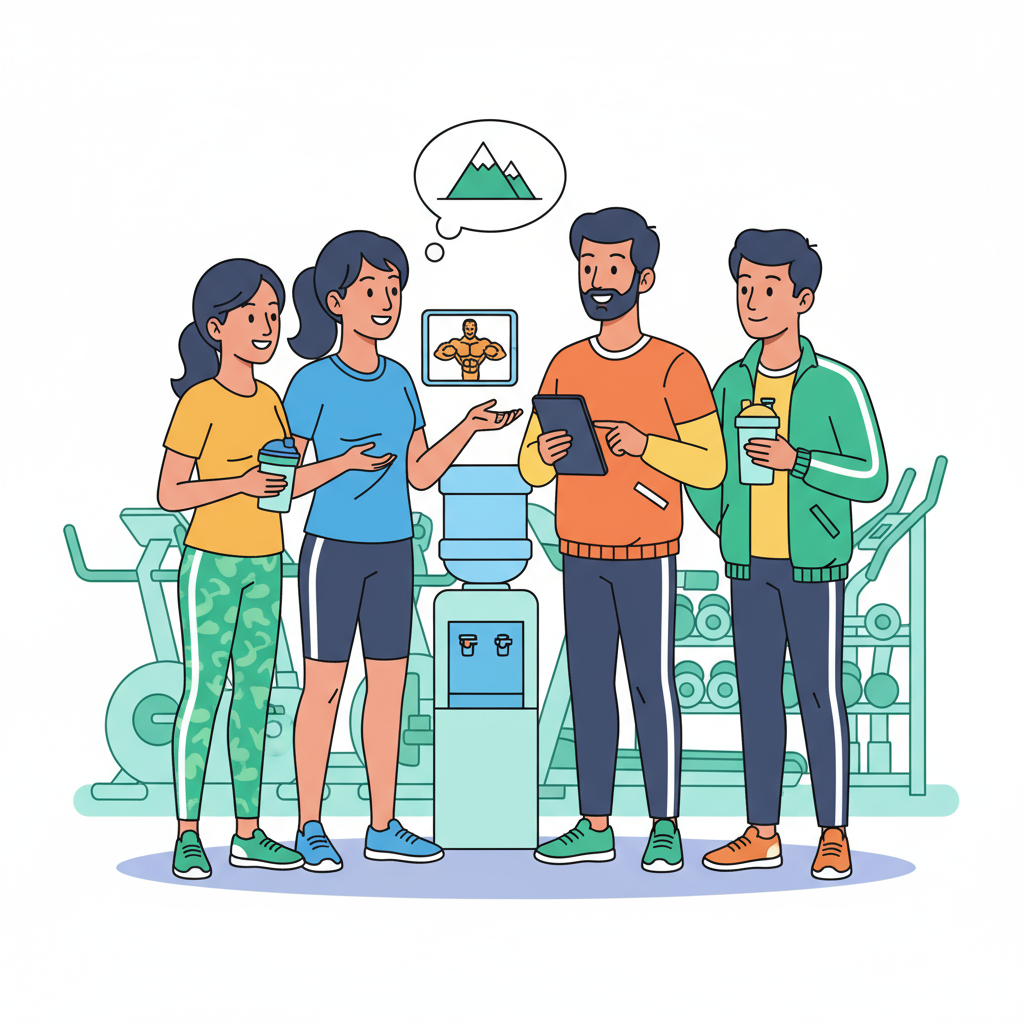
Indian friends debating protein myths

Meet Rajeev, your local gym enthusiast and unofficial "protein police" of his Bangalore apartment complex, scared stiff every time someone mentions protein shakes. "Are you sure it's not steroids? Won't it make me bloated like a balloon?" he asks, eyes wide like he's discovered aliens. Welcome to the protein shake myth circus, where WhatsApp forwards beat scientific papers!

Myth 1: "Protein Shakes Are Just Steroids in Disguise"

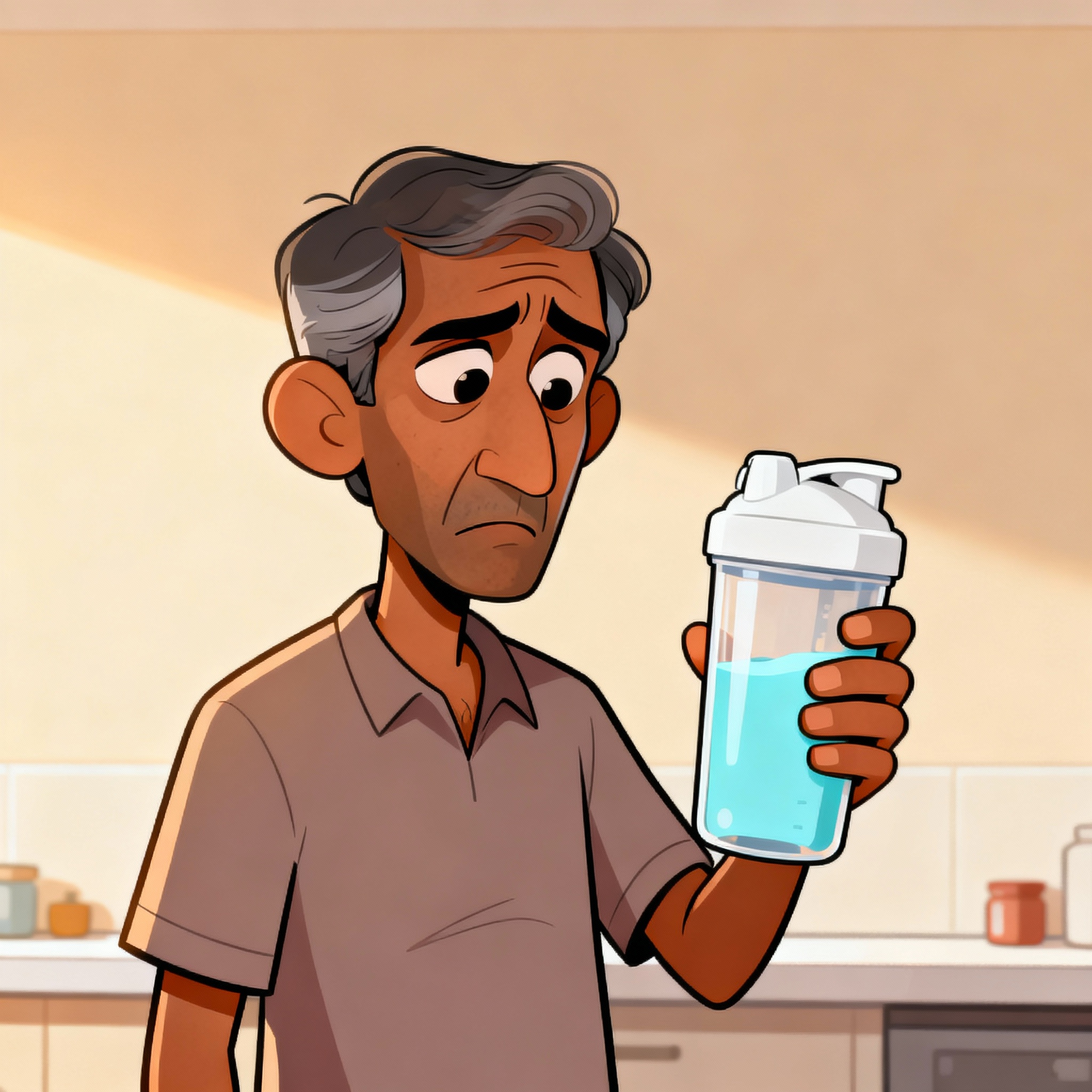
Worried Indian uncle holding protein shake
Uncle's Logic: "Both build muscle, so they must be the same thing, no?"
Reality Check: Saying protein shakes are steroids is like saying rice is alcohol because both come from grains!

WHY this myth exists: Both protein and steroids can help build muscle, so people assume they're the same. It's like saying a bicycle and a Ferrari are identical because both have wheels[web:141][web:145].

HOW they're actually different: - **Protein shakes** contain amino acids (building blocks) your muscles need to repair and grow—like bricks for a house - **Steroids** are hormones that artificially force your body to build muscle faster—like using a construction crane to speed things up - Protein is food; steroids are drugs. Your body makes protein daily, but steroids? That's external manipulation[web:141][web:145]

Myth 2: "Protein Shakes Make You Bloated Like a Puri"

Friends chatting and laughing in café
Uncle's Logic: "My friend got gas after drinking protein, so all protein is bad!"
Reality Check: That's like saying all food is bad because rajma gave you gas once!

WHY bloating happens: Three main culprits cause protein shake bloating[web:81][web:134]: 1. **Lactose intolerance** - If you can't digest milk properly, whey protein (made from milk) will ferment in your gut like old dahi 2. **Artificial sweeteners** - Sugar alcohols like sorbitol ferment in your intestines, creating gas like a mini brewery 3. **Too much, too fast** - Drinking 40g of protein at once is like forcing a 10-person meal into one sitting

HOW to avoid it: - Choose **lactose-free** options if dairy bothers you - Pick protein with **minimal artificial sweeteners** - Sip slowly, don't chug like it's Thums Up - Start with smaller servings and increase gradually[web:81][web:134]

Myth 3: "My Blood Test Shows Normal Protein, So I Don't Need More"

Uncle's Logic: "Doctor said my protein levels are fine, so why do I need supplements?"
Reality Check: That's like checking your bank balance and assuming you never need to earn money again!

WHY this thinking is flawed: Blood protein tests measure **albumin and globulin**—proteins your liver makes to keep you alive. They don't measure whether you're eating enough protein daily[web:83][web:91][web:142].

HOW it actually works: - Your body is like a smart accountant—it maintains blood protein levels by **borrowing from your muscles** if needed - Normal blood protein just means your body hasn't started breaking down yet, not that you're eating enough - It's like your phone showing 50% battery—it's working, but you still need to charge it daily[web:139][web:142]

Myth 4: "Protein Is Only for Gym Bros and Bodybuilders"

Uncle's Logic: "I don't lift weights, so why do I need protein powder?"
Reality Check: That's like saying only drivers need petrol—everyone needs fuel!

WHY everyone needs protein: Your body uses protein for way more than just muscles[web:88][web:138]: - **Hair and nails** - Made of protein (keratin) - **Enzymes** - All your body's chemical reactions need protein workers - **Immune system** - Antibodies are proteins that fight infections - **Hormones** - Many hormones are protein-based

HOW much you actually need: - Sedentary person: 0.8g per kg body weight daily - Active person: 1.2-1.6g per kg daily - That's 50-80g daily for a 60kg person—hard to get from dal-rice alone![web:88]

Myth 5: "Protein Powders Are Full of Chemicals, Real Food Is Pure"

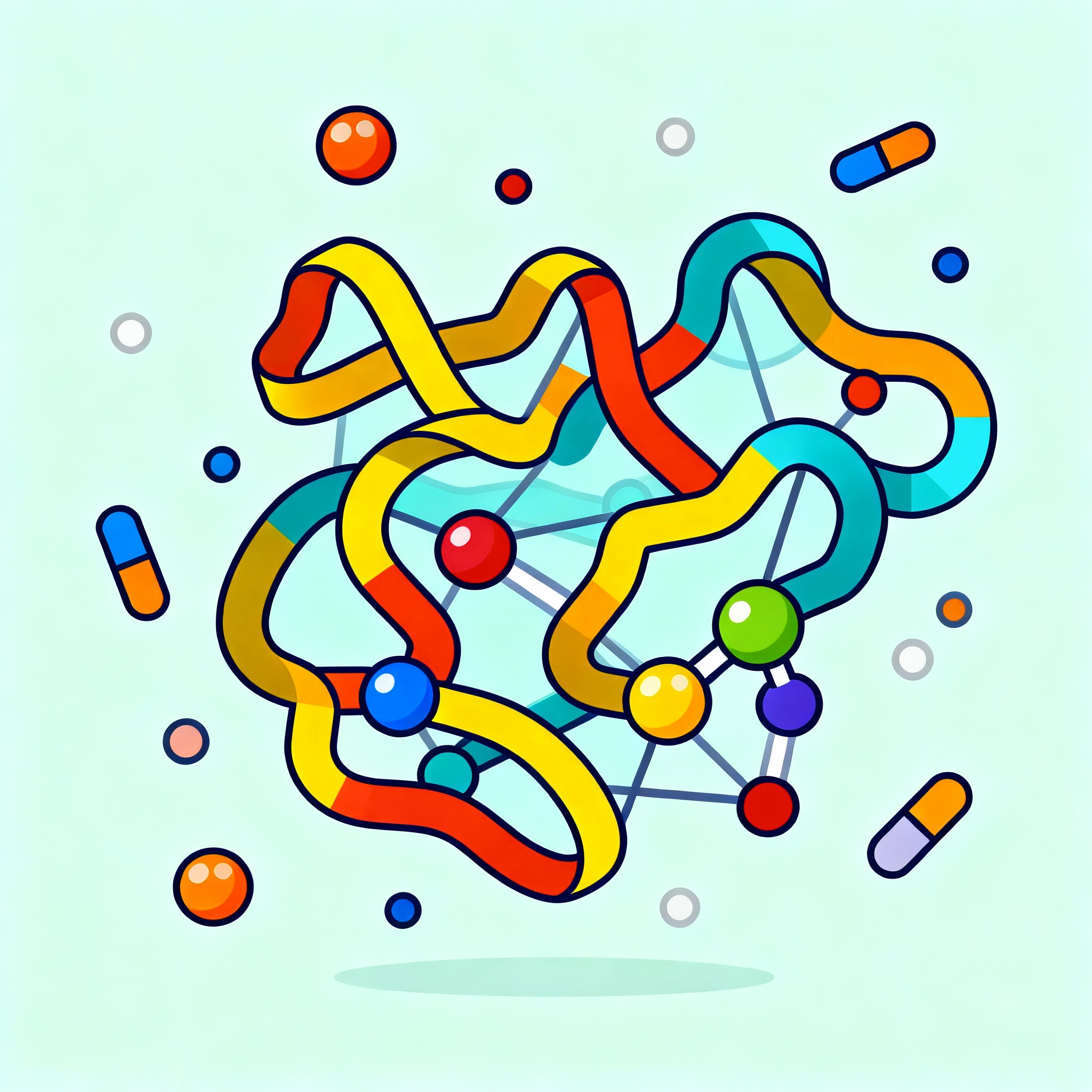
Scientific view of protein structure and nutrition
Uncle's Logic: "Natural food good, powder bad. Chemicals scary!"
Reality Check: That's like saying homemade pickles have no chemicals but factory ones do—everything is chemicals!

WHY this myth persists: People think "natural" equals "chemical-free," but water is H2O (a chemical), and your body is a walking chemistry lab[web:102].

HOW "real" food compares:** - **Milk today** - Cows get antibiotics, growth hormones, and eat pesticide-treated feed - **Vegetables** - Sprayed with pesticides, grown with chemical fertilizers - **Chicken** - Fed antibiotics and growth promoters - **Quality protein powder** - Often more regulated and tested than your local milk![web:102]

India Context: From Hybrid Dals to Hybrid Thoughts

Indian agriculture has embraced hybridization and chemical treatments to boost yield, often compromising nutrition. Your "pure" moong dal is likely from hybrid seeds, treated with chemicals, and lower in protein than traditional varieties. Meanwhile, you're worried about regulated protein powder that's tested for purity. It's like being scared of filtered water while drinking from a questionable well![web:102]

The Playbook: How to Stay Protein Wise

  • Test your tolerance: Start small, see how your body reacts before judging all protein
  • Read labels: Choose minimal ingredients, avoid excessive sweeteners
  • Timing matters: Don't chug 50g at once—spread it throughout the day
  • Quality over quantity: Pick certified brands over cheap, unregulated ones
  • Balance is key: Use protein powder to supplement, not replace real food
  • Stop the paranoia: Everything is chemicals—focus on quality and moderation

TL;DR (Before Uncle Forwards Another Myth)

  • Protein shakes ≠ steroids. One feeds muscles, other forces them artificially
  • Bloating comes from lactose, sweeteners, or too much too fast—not protein itself
  • Blood tests show storage, not daily needs—you still need to "refuel"
  • Everyone needs protein for basic body functions, not just muscle building
  • "Real" food has chemicals too—focus on quality, not fear

References

  • Healthline, "Protein Farts: Causes and Ways to Make Them Stop"[web:89]
  • PMC, "Whey Protein Improves Exercise Performance"[web:138]
  • Naked Nutrition, "Why Protein Shakes Cause Bloating"[web:81]
  • Medical News Today, "Hypoproteinemia: Symptoms, causes, and treatment"[web:136]
  • Cleveland Clinic, "Low Protein in Blood (Hypoproteinemia)"[web:142]
  • NHS, "Total protein test"[web:91]

protein myths Read More »

From chai debates to bone saves: Why skipping the gym is a structural fail.

Muscle Reinforcement for Bones - SimpleBodyology

Hero Introduction: Meet the Bone Squad

Indian professionals discussing fitness and bone health

Picture Raj—a Mumbai IT guy who's all about that desk life, but secretly dreams of being a weekend warrior. His crew? Priya (the no-nonsense yoga fanatic), Sameer (sarcasm king with a gym membership he barely uses), and Leela (the one who debunks every health myth with a side of chai). They're on a mission to figure out why Raj's back aches more than his deadlines. Spoiler: It's not just bad posture—it's a muscle-bone bromance gone wrong.

Relatable Story: The Wobbly Tower

Indian man with back pain like wobbly tower

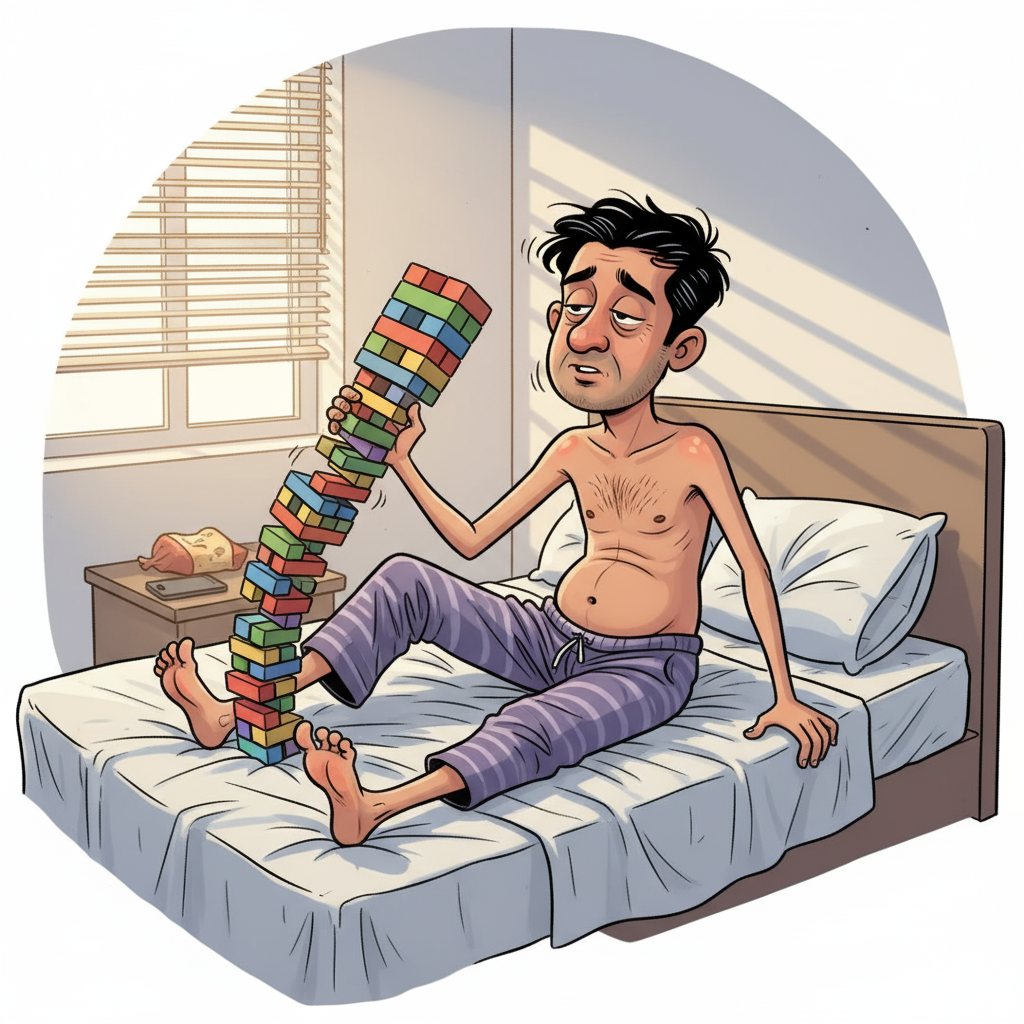
Raj wakes up one morning feeling like his spine is a Jenga tower after a party—shaky and one wrong move from collapse. "Yaar, why do my bones feel like they're made of biscuit?" he groans while stretching. Last week's "intense" walk (read: to the local paan shop) didn't help. Priya laughs: "Because your muscles are slacking off, boss! They're the reinforcements your bones need, like concrete around those iron rods in our Mumbai high-rises."

Café Debate: Muscles vs. Monsoon Mayhem

Friends discussing muscle-bone relationship over coffee

Over filter coffee at their favorite Bandra spot, the debate heats up. Raj: "Bones are tough, right? Like iron bars—unbreakable!" Sameer smirks: "Unbreakable? Tell that to your grandma's hip after Diwali dancing. Without muscles wrapping them like concrete reinforcements, bones are just fancy sticks waiting to snap." Priya jumps in: "Exactly! Muscles pull, stabilize, and absorb shocks—like trusses in a building holding everything together during monsoon floods." Leela adds with a wink: "Lose one muscle group, and it's chaos. Your body isn't a solo act, dost—it's a full-on construction site!"

Domino Effect: When One Muscle Checks Out

Domino effect of muscle loss causing chain reaction

Imagine a building where one truss gives way—boom, the whole structure wobbles, and soon the floors start crumbling like Raj's excuses for skipping the gym. Same with muscles: If your quads weaken (hello, desk job), your knees take extra stress, bones erode faster, and before you know it, your back, hips, and even ankles are joining the protest. It's a hilarious tragedy—your body playing dominoes without your permission!

Receipts: Science Doesn't Lie (Unlike Your Workout Tracker)

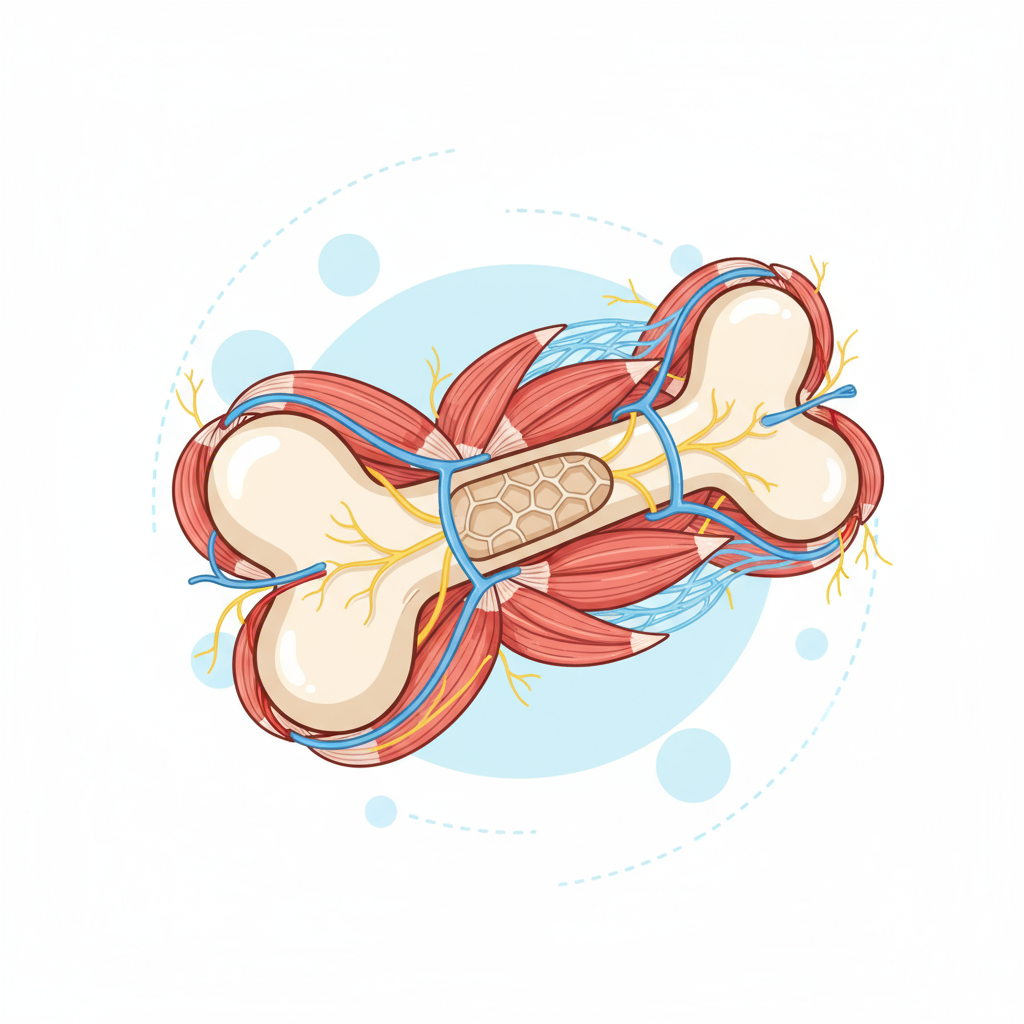
Scientific view of muscle-bone relationship
"Muscles aren't just for show—they reinforce bones by providing mechanical loading and stability, much like concrete and trusses strengthen iron frameworks in buildings. Loss of muscle mass triggers a domino effect: reduced bone density, increased fracture risk, and accelerated aging."

Studies show muscle atrophy hits first, pulling bones down with it—like a bad Bollywood plot twist. Aging or inactivity erodes this support, leading to osteoporosis faster than you can say "protein shake".

India Context: From Chai Stalls to Construction Chaos

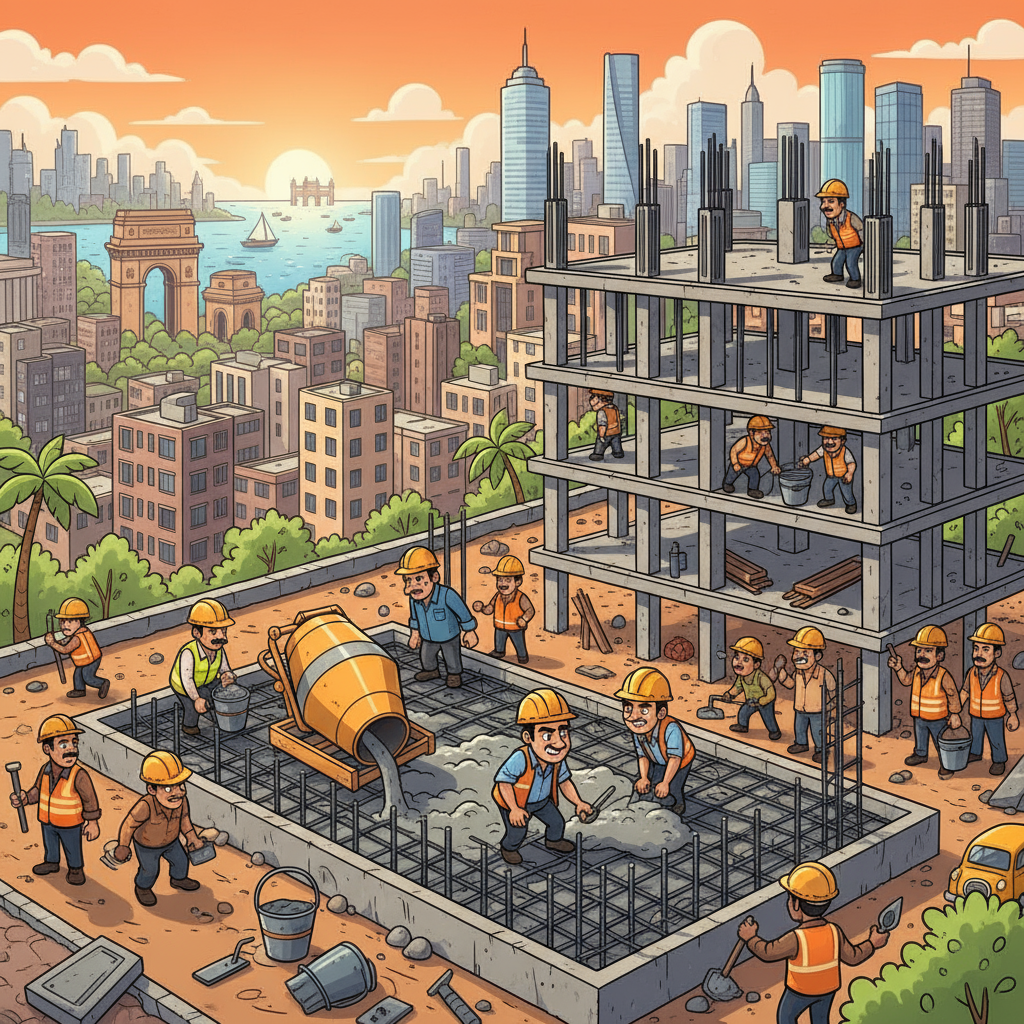
Construction workers showing reinforcement principles

In India, where half our population hustles in jobs that glue us to chairs (thanks, IT boom), muscle loss is as common as traffic jams. Stats from Indian health surveys show rising osteoporosis rates in urban adults—blame sedentary lifestyles and not enough "desi workouts" like carrying grocery bags uphill. Without muscle reinforcements, our bones are like those sketchy Mumbai buildings that crumble in the rains. Time to build better, bhai!

And let's not forget the cultural flex: In India, there's often pride in being slim, light, and fast — basically a walking breeze with low muscle bulk. "Arre, why lift weights when you can outrun everyone on the field?" But here's the tough love: having low muscle mass is like owning a skyscraper with weak reinforcements. You might feel nimble now, but as you age, your bones will start to feel the strain earlier and harder.

Without sufficient muscle support, the domino effect of weaker bones, joint instability, and higher fracture risk kicks in faster — setting you up for early osteoporosis, chronic joint pain, and mobility issues. Instead of gracefully aging, you might find yourself struggling with conditions like sarcopenia (muscle loss), osteoarthritis, and a higher likelihood of falls. Scientific studies show that South Asians, including Indians, have a naturally lower lean muscle mass combined with increasing rates of sarcopenia and frailty as they age. This "skinny fat" condition poses higher risks for diabetes, cardiovascular diseases, and cognitive decline.

So yes, being slim and fast is cool — until your body decides to show you who's boss.

The Playbook: Reinforce Like a Pro Builder

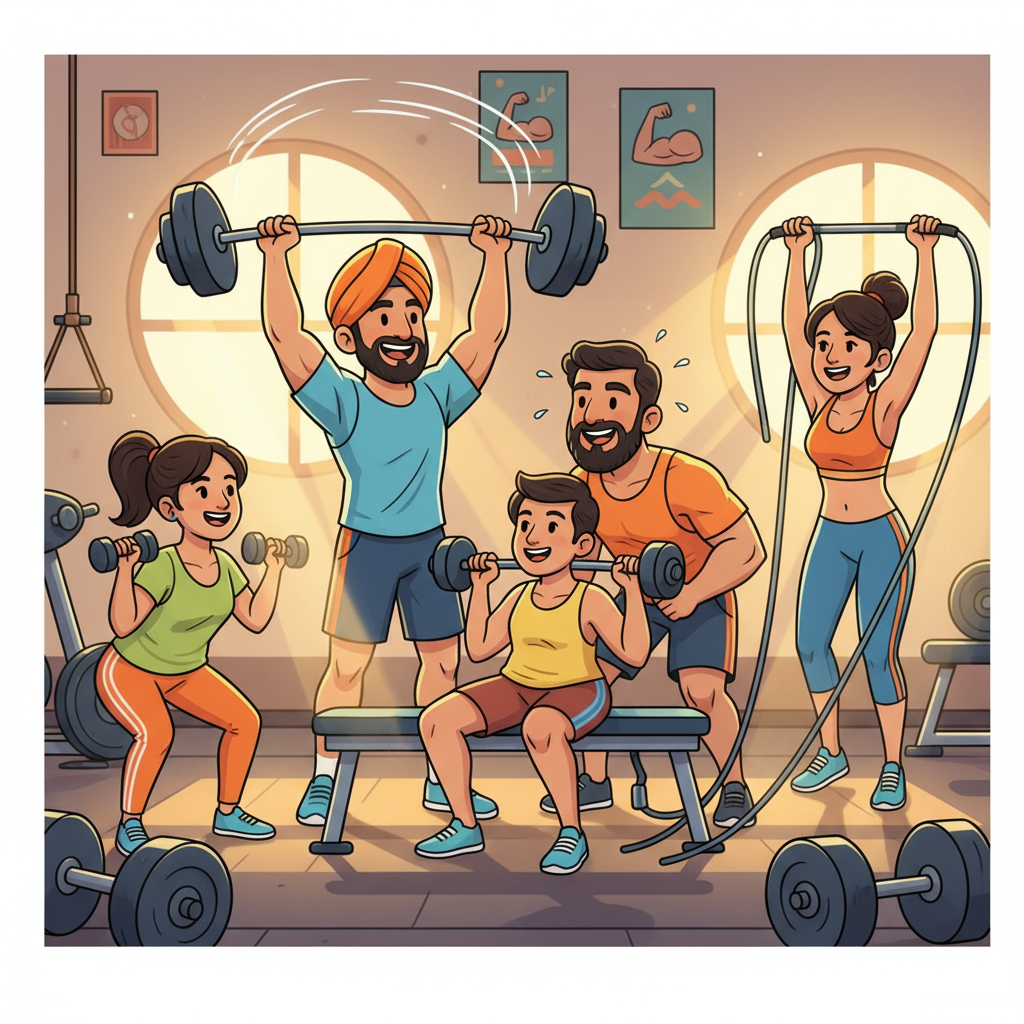
Friends building muscle strength together
  • Load Up: Strength training—squats, lifts, even dancing to Bollywood beats—to mimic construction reinforcements.
  • Balance the Crew: Don't neglect any muscle group; it's like ignoring one beam in a bridge—disaster waiting.
  • Nutrient Cement: Protein, calcium, vitamin D—your body's concrete mix. Skip it, and reinforcements weaken.
  • Spot the Cracks: Regular check-ups for bone density; catch the domino before it falls.
  • Laugh It Off: Make workouts fun—challenge friends to silly contests. Who knew preventing bone erosion could be this entertaining?

TL;DR (Before Your Bones Bail)

  • Bones = iron bars; muscles = concrete reinforcements. No muscles? Wobbly disaster.
  • One muscle down triggers a domino party of bone woes.
  • Build strength like a smart engineer—train, eat right, stay active.
  • India alert: Desk life is killing our reinforcements—get moving!
  • Slim pride? More like fast-track to future health problems.

References

  • Bone Structure and Function (LibreTexts)
  • Muscle strengthening exercise for your bones (YouTube)
  • Implications for muscle-bone crosstalk with aging and disuse (PMC)
  • The Domino Effect of Muscle Loss (Unjury)
  • Aging changes in the bones - muscles - joints (MedlinePlus)
  • South Asian Working Action Group on SARCOpenia (ScienceDirect)
  • Nutrition in the prevention and management of sarcopenia (PMC)
  • Sarcopenia (Muscle Loss): Symptoms & Causes (Cleveland Clinic)
  • Skinny fat - a sign of dementia, Alzheimer's risk: Study (New Indian Express)
  • Are you "skinny fat"? Why it's more common than you think (Times of India)

From chai debates to bone saves: Why skipping the gym is a structural fail. Read More »