Blog

Your blog category

The Complete Guide to Protein Digestion: From Fork to Muscle

The Complete Guide to Protein Digestion

We’ve all heard the hype about protein: it’s the key to building muscle, boosting energy, and supporting overall health. But here’s the catch—eating a protein-packed meal doesn’t automatically mean your body can use it. Digesting protein is a complex, multi-step process that requires a well-coordinated team of enzymes, hormones, and other players. If your system isn’t ready, you might not be getting the full benefits of that chicken breast or protein shake. In this blog, we’ll break down the science of protein digestion, explain the concept of bioavailability, highlight the challenges, and share practical solutions to help you make the most of your protein intake.

The Protein Digestion Highway: A Step-by-Step Journey

Stage 1: The Mouth – Setting the Foundation

Digestion begins before you even swallow. Your teeth mechanically break protein into smaller pieces, dramatically increasing surface area for enzymatic action. While saliva doesn’t contain protein-specific enzymes, thorough chewing is crucial—it can improve protein digestibility by up to 25%.

The science: Each chew breaks food into smaller particles, allowing stomach acid and enzymes better access to protein structures. Studies show people who chew each bite 30-40 times extract significantly more amino acids from their meals.

Stage 2: The Stomach – Chemical Breakdown Central

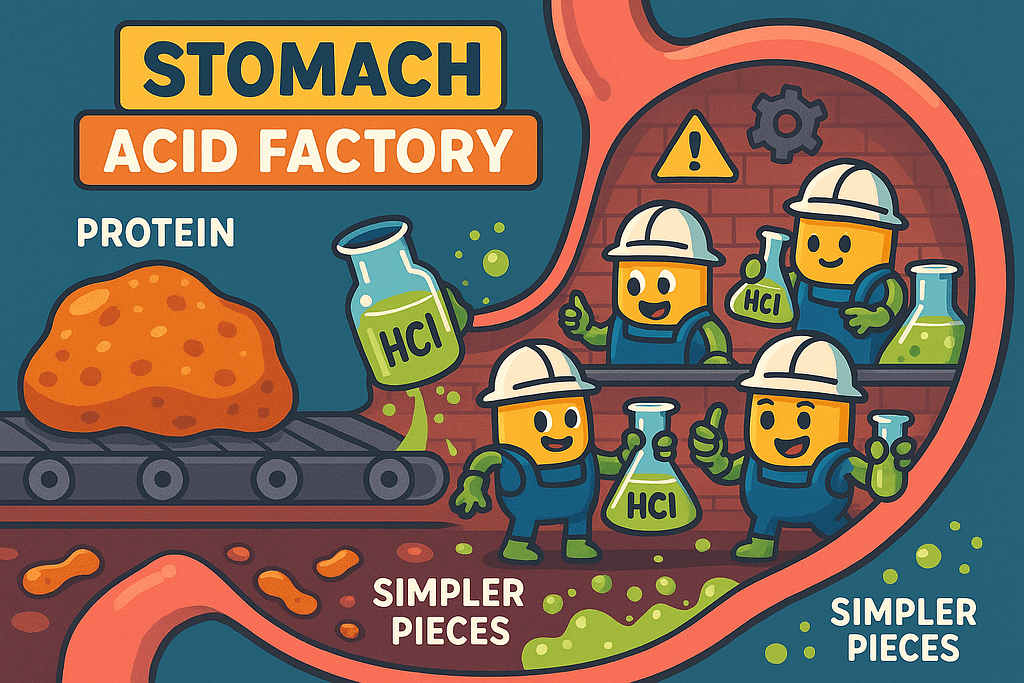
Your stomach is essentially a highly acidic protein processing plant. When protein arrives, several critical processes begin simultaneously:

Hydrochloric Acid (HCl) Production: Your stomach produces acid with a pH of 1.5-2.0—nearly as acidic as battery acid. This extreme acidity serves multiple purposes:

  • Unfolds complex protein structures (denaturation)
  • Activates pepsinogen into pepsin, your first protein-digesting enzyme
  • Kills harmful bacteria that might interfere with digestion
  • Signals the pancreas to prepare its enzyme arsenal

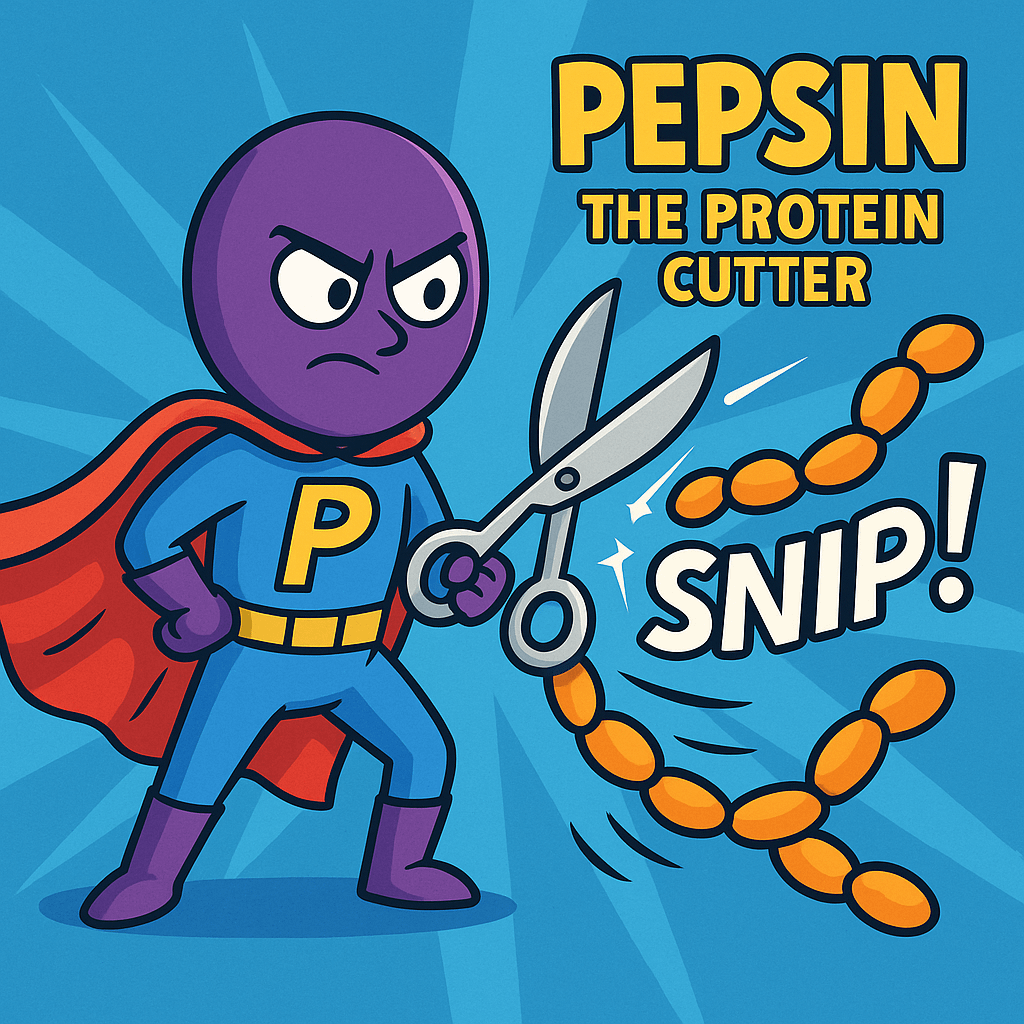
Pepsin Action: Once activated, pepsin begins cleaving proteins at specific amino acid sequences, particularly around aromatic amino acids like tryptophan and phenylalanine. This creates smaller protein fragments called polypeptides.

Critical insight: Low stomach acid (hypochlorhydria) affects up to 30% of adults over 65 and can reduce protein digestibility by 40-60%. Common causes include stress, certain medications (especially proton pump inhibitors), and H. pylori infections.

Stage 3: The Small Intestine – The Enzymatic Powerhouse

The small intestine is where protein digestion reaches its peak efficiency. As the acidic stomach contents (called chyme) enter the duodenum, a cascade of events occurs:

Pancreatic Enzyme Release: The pancreas releases bicarbonate to neutralize stomach acid and deploys three major proteases:

  • Trypsin: Cuts proteins after basic amino acids (lysine, arginine)
  • Chymotrypsin: Targets aromatic amino acids (tryptophan, tyrosine, phenylalanine)
  • Carboxypeptidase: Removes amino acids from protein chain ends

Brush Border Enzymes: The intestinal lining contains specialized enzymes that complete the breakdown:

  • Aminopeptidases: Remove amino acids from the amino end of peptides
  • Dipeptidases: Break dipeptides into individual amino acids
  • Tripeptidases: Split tripeptides into smaller units

Absorption Mechanism: Amino acids are absorbed through specific transporters in the intestinal wall. Different amino acids use different transport systems, which is why amino acid timing and combinations matter for optimal absorption.

Stage 4: Cellular Delivery and Utilization

Once absorbed, amino acids enter the hepatic portal circulation, traveling directly to the liver for processing. The liver acts as a quality control center, regulating amino acid release into systemic circulation based on the body’s needs.

Hormonal Signaling: Protein digestion triggers several important hormones:

  • Cholecystokinin (CCK): Signals satiety and stimulates enzyme production
  • Insulin: Facilitates amino acid uptake into muscle cells
  • IGF-1: Promotes muscle protein synthesis when adequate amino acids are available

The Enzyme Army: Your Protein Digestion Workforce

Proteases are highly specialized enzymes that function like molecular scissors, each designed to cut specific amino acid bonds. Understanding these enzymes helps explain why protein digestion can be challenging:

Pepsin (Stomach):

  • Optimal pH: 1.5-2.0
  • Targets: Aromatic amino acids
  • Function: Initial protein breakdown
  • Challenge: Requires very acidic environment

Pancreatic Proteases (Small Intestine):

  • Optimal pH: 8.0-8.5
  • Require: Adequate pancreatic function
  • Challenge: Sensitive to inflammation and disease

Brush Border Enzymes (Intestinal Lining):

  • Function: Final breakdown steps
  • Challenge: Damaged by gut inflammation, food sensitivities, or infections

Protein Bioavailability: The Quality Equation

Not all proteins are created equal. Bioavailability measures how efficiently your body can digest, absorb, and utilize a protein source. This depends on several factors:

Protein Digestibility Corrected Amino Acid Score (PDCAAS)

High-Quality Proteins (PDCAAS 1.0):

  • Eggs: Complete amino acid profile, easily digestible
  • Whey protein: Rapid absorption, high leucine content
  • Fish: Complete proteins with beneficial omega-3s
  • Lean meats: Complete but slower-digesting than whey

Moderate-Quality Proteins (PDCAAS 0.7-0.9):

  • Soy protein: Complete but contains antinutrients
  • Quinoa: Complete plant protein but lower total protein content
  • Hemp protein: Good amino acid profile but high fiber

Lower-Quality Proteins (PDCAAS 0.4-0.7):

  • Rice protein: Low in lysine
  • Pea protein: Low in methionine
  • Wheat protein: Low in lysine, contains gluten

Factors Affecting Bioavailability

Processing Methods: Heat treatment can improve digestibility by denaturing proteins but excessive heat damages amino acids, particularly lysine. Optimal cooking temperatures range from 60-80°C for most proteins.

Antinutrients: Plant proteins often contain compounds that inhibit digestion:

  • Phytates: Bind minerals and proteins, reducing absorption
  • Lectins: Can damage intestinal lining
  • Trypsin inhibitors: Block protein-digesting enzymes

Food Combinations: Strategic pairing can enhance protein utilization:

  • Rice + beans = complete amino acid profile
  • Vitamin C + plant proteins = improved iron absorption
  • Healthy fats + protein = slower digestion, sustained amino acid release

Common Protein Digestion Challenges

Age-Related Decline

Protein digestion efficiency decreases with age due to:

  • Reduced stomach acid production (30-40% decrease after age 60)
  • Decreased enzyme production
  • Slower gastric emptying
  • Reduced muscle mass affecting amino acid utilization

Solution: Older adults may need 1.2-1.6g protein per kg body weight (vs. 0.8g for younger adults) and should focus on high-quality, easily digestible proteins.

Digestive Disorders

Low Stomach Acid (Hypochlorhydria):

  • Symptoms: Bloating, undigested food in stool, B12 deficiency
  • Causes: Stress, certain medications, autoimmune conditions
  • Impact: 40-60% reduction in protein digestibility

Pancreatic Insufficiency:

  • Symptoms: Fatty stools, weight loss, nutrient deficiencies
  • Causes: Chronic pancreatitis, cystic fibrosis, diabetes
  • Impact: Severe protein malabsorption

Small Intestinal Bacterial Overgrowth (SIBO):

  • Symptoms: Gas, bloating, diarrhea after protein meals
  • Mechanism: Bacteria compete for amino acids, produce toxic byproducts
  • Impact: Reduced amino acid absorption, increased inflammation

Dietary Transition Challenges

When increasing protein intake, many people experience:

  • Bloating and gas (bacterial fermentation of undigested protein)
  • Constipation (inadequate fiber and water intake)
  • Kidney strain myths (actually unfounded in healthy individuals)
  • Digestive fatigue (system overwhelmed by sudden increase)

Evidence-Based Optimization Strategies

Enhance Digestive Capacity

Support Stomach Acid Production:

  • Consume protein with acidic foods (lemon juice, apple cider vinegar)
  • Avoid large amounts of water during meals (dilutes acid)
  • Manage stress through meditation, adequate sleep
  • Consider betaine HCl supplements if deficient (under medical supervision)

Boost Enzyme Production:

  • Include natural enzyme sources: pineapple (bromelain), papaya (papain), ginger (zingibain)
  • Eat slowly and chew thoroughly
  • Avoid excessive antacid use
  • Consider digestive enzyme supplements for persistent issues

Optimize Protein Timing and Distribution

Protein Distribution Research: Studies show that consuming 20-30g of high-quality protein every 3-4 hours maximizes muscle protein synthesis better than consuming the same total amount in fewer, larger doses.

Pre and Post-Workout Timing:

  • Pre-workout: 15-20g protein 1-2 hours before training
  • Post-workout: 20-30g protein within 30-60 minutes after training
  • Choose fast-digesting proteins (whey) post-workout, slower proteins (casein) before bed

Support Gut Health

Microbiome Optimization:

  • Include prebiotic fibers (garlic, onions, asparagus)
  • Consume fermented foods (yogurt, kefir, sauerkraut)
  • Avoid unnecessary antibiotics
  • Manage stress and get adequate sleep

Intestinal Lining Health:

  • Include glutamine-rich foods (bone broth, cabbage)
  • Consume omega-3 fatty acids to reduce inflammation
  • Avoid excessive NSAIDs and alcohol
  • Consider zinc and vitamin D optimization

Strategic Food Combining

Enhance Plant Protein Quality:

  • Combine complementary proteins within 24 hours
  • Add small amounts of animal protein to plant-based meals
  • Soak, sprout, or ferment plant proteins to reduce antinutrients

Optimize Absorption Environment:

  • Include vitamin C with plant proteins (enhances iron absorption)
  • Add healthy fats for fat-soluble vitamin absorption
  • Space calcium supplements away from protein meals (can compete for absorption)

Advanced Considerations

Individual Variation

Genetic polymorphisms affect protein digestion:

  • Lactase persistence: Determines dairy protein tolerance
  • AMY1 gene variants: Affect enzyme production capacity
  • COMT gene: Influences response to certain amino acids

Practical application: Pay attention to your individual response to different protein sources and adjust accordingly.

Cooking and Preparation Methods

Optimal Cooking Techniques:

  • Steam or poach: Preserves amino acid integrity
  • Slow cooking: Breaks down tough protein structures without excessive heat
  • Marinating: Acidic marinades pre-digest proteins
  • Avoid: Charring, deep frying, or excessive processing

Plant Protein Enhancement:

  • Soaking: Reduces antinutrients by 50-80%
  • Sprouting: Increases amino acid availability
  • Fermentation: Improves digestibility and adds beneficial bacteria

Troubleshooting Common Issues

Persistent Bloating After Protein Meals

Immediate strategies:

  • Reduce portion size and eat more frequently
  • Try different protein sources to identify sensitivities
  • Ensure adequate hydration
  • Include digestive enzymes with meals

Long-term solutions:

  • Address underlying gut health issues
  • Gradually increase protein intake over 2-4 weeks
  • Work with a healthcare provider to rule out digestive disorders

Poor Recovery Despite Adequate Protein Intake

Assessment checklist:

  • Total daily protein intake (aim for 1.6-2.2g/kg for active individuals)
  • Protein distribution throughout the day
  • Digestive health status
  • Sleep quality and stress levels
  • Hydration status

Choosing Supplements Wisely

When supplements may help:

  • Digestive enzyme deficiency
  • Restricted dietary protein intake
  • High training volume requiring convenient protein sources
  • Specific health conditions affecting digestion

Red flags to avoid:

  • Unrealistic claims about protein requirements
  • Proprietary blends hiding actual protein content
  • Excessive additives or artificial ingredients
  • Lack of third-party testing for purity

The Bottom Line: Patience and Personalization

digestion-mastered

Optimizing protein digestion is a gradual process that requires patience and individual adjustment. Your digestive system can adapt and improve its protein-processing capacity, but this takes time—typically 2-6 weeks of consistent practices.

Key takeaways:

  1. Quality matters: Focus on high-bioavailability proteins and proper preparation
  2. Quantity distribution: Spread protein intake throughout the day for optimal utilization
  3. Support systems: Maintain healthy digestion through acid production, enzyme function, and gut health
  4. Individual optimization: Pay attention to your body’s responses and adjust accordingly
  5. Professional guidance: Consult healthcare providers for persistent digestive issues

Remember, the goal isn’t just to eat protein—it’s to transform that protein into the building blocks your body needs for strength, recovery, and optimal health. By understanding and optimizing your protein digestion, you’re investing in your body’s fundamental ability to repair, rebuild, and thrive.

Master your digestion, master your results.


The Complete Guide to Protein Digestion: From Fork to Muscle Read More »

Protein: The Super Star Nutrient — Is the Hype Real?

Protein: The Super Star Nutrient — Is the Hype Real?

Protein’s the nutrition world’s super star, dazzling with fitness influencers, diet fads, and “high-protein” everything. But is the hype legit? Let’s smash the myths and spotlight the science your body craves.

ChatGPT-Image-Jun-8-2025-05_28_31-PM

Protein is the nutrition world’s super star, strutting down the red carpet of every Instagram reel, diet book, and grocery aisle packed with “high-protein” snacks. It’s the nutrient making all the hues and cries, with influencers hyping shakes like they’re Oscar-worthy, keto fans treating it like a deity, and vegans fretting over “complete” proteins. But is protein’s star power the real deal—or just a hyped-up blockbuster with no plot?

Think of protein like that one friend who’s always trending—everyone’s got an opinion, but half the chatter’s nonsense. Picture this: you’re at dinner with your crew, and protein hogs the spotlight. “It’s just for bodybuilders!” one friend insists, poking a salad. “I chug three shakes a day for gains,” another brags. “Doesn’t it wreck your kidneys?” someone worries. And the vegan sighs, “Plant proteins don’t cut it.” Sound like your last hangout?

Enter Alex, your nutrition nerd director, ready to cut the fluff and roll the credits on science. Grab a snack (protein-packed or not, no shade), and let’s find out if protein’s super star status is true or just hype! Protein’s like the lead singer of a band—everyone screams their name, but the rest of the band (carbs, fats, vitamins) keeps the show running. Time to see if protein’s solo act lives up to the hype!

Myth #1: Protein Is Just for Gym Rats

ChatGPT Image Jun 8, 2025, 06_14_38 PM

Truth: Protein’s not just for jacked gym stars—it’s essential for everyone.

The Hype: Protein’s super star fame exploded in fitness culture, where it’s hyped as the secret sauce for bulging biceps. But that’s like saying a smartphone’s only for selfies—it’s way more versatile. Protein is your body’s all-star crew, rebuilding muscles, skin, hair, nails, organs, and blood vessels. It powers enzymes for digestion, hormones like insulin, and antibodies to fight germs. It even balances pH and fluids. Couch potato or CrossFit champ, protein keeps you in the game.  Think of your body as a blockbuster movie set. Protein’s the multi-talented crew—carpenters (building muscles), electricians (sparking hormones), and security (fighting germs). Muscle-building? That’s just the stunt double’s side gig, not the main act!

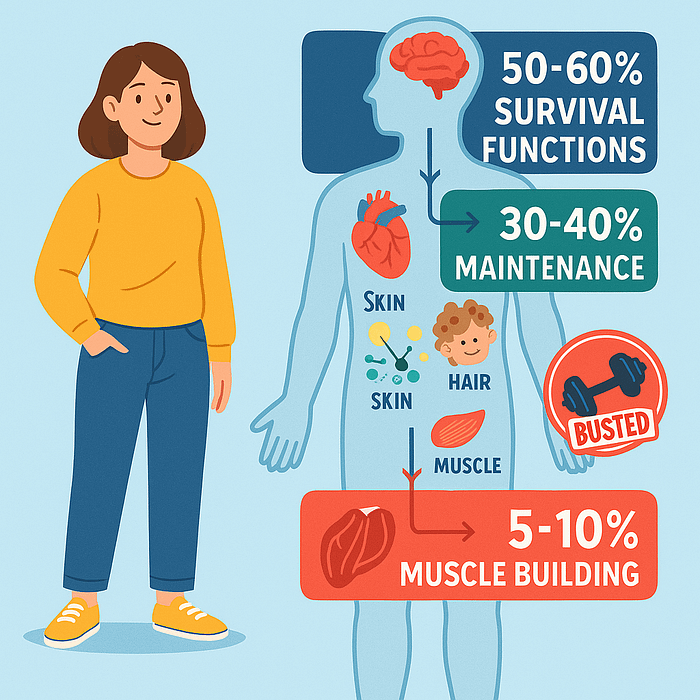
Here’s the truth that dims the myth’s spotlight: your body allocates protein like a stingy producer (Wolfe, 2006):

  • ~50-60% for survival functions: Heart, brain, liver, kidneys, immune system—enzymes, hormones, antibodies.

  • ~30-40% for maintenance: Replacing worn-out cells (skin, hair, organs).

  • ~5-10% for muscle building (if any): Muscle protein synthesis (MPS) only gets the leftovers.

Run out of protein? Your body skips the stunt scenes (muscle-building) to keep the cameras rolling (survival). The “gym rat only” myth? Smashed. Protein’s a super star for every body, and muscles are just extras.

Myth #2: More Protein = More Muscle

ChatGPT Image Jun 8, 2025, 06_15_10 PM
  • Truth: Your body can’t turn endless protein into muscle—excess is just pricey waste.

    The Hype: Protein’s super star status fuels the “more is better” craze, with influencers pushing shakes like they’re magic potions. But your body’s not a muscle-making factory running 24/7—it’s got limits. You only use ~20-40 grams per meal for MPS. Extra protein? It’s either burned for energy, stored as fat, or flushed out as waste (urea), like pouring champagne down the drain. That 150-gram-a-day habit? Often overrated.

     Piling on protein is like cramming more luggage into an already full suitcase—your body’s like, “Bro, I’ve got enough for this trip!” The excess just sits there or gets tossed (hello, pricey pee).

    Why Lean Body Mass? You’ve probably heard bro-science like “1 gram per pound of body weight” or protein needs based on total weight, no mention of lean body mass (LBM). That’s like budgeting a movie’s payroll for the cast and the fancy props (fat mass). LBM—your weight minus fat—is the real cast (muscles, organs, skin) that needs protein to perform. Fat mass? It’s just set dressing, not earning a paycheck. For a 70 kg person with 15% body fat, LBM is 59.5 kg (70 − 10.5), so protein needs are 59.5 × 0.8 = ~48 g/day, not 70 × 0.8 = 56 g/day. Using total weight overshoots, especially if you’re carrying extra fat, and fuels the “more more” hype. Science (Phillips et al., 2016) shows LBM is the key for precision—total weight’s a lazy, hyped-up rule that only works for super lean folks.

    Protein needs, based on lean body mass:

    • Sedentary: 0.8 g/kg daily.

    • Active: 1.2-2.0 g/kg.

    • Elite athletes: Up to 2.2 g/kg.

    For a 70 kg person with 15% body fat (~59.5 kg LBM):

    • Sedentary: 48-56 g/day.

    • Active: 72-120 g/day.

    • Pro athlete: Up to 132 g/day.

    The “1 gram per pound” hype (2.2 g/kg total weight) overshoots, potentially stressing kidneys. Muscle-building only happens if protein’s left after survival (50-60%) and maintenance (30-40%). Spread protein across meals (20-40 g per sitting).

    Science Check: Studies (Morton et al., 2018) show 1.6-2.2 g/kg of lean mass is enough—no extra muscle from excess.

Myth #3: Protein Wrecks Your Kidneys

ChatGPT-Image-Jun-8-2025-06_00_41-PM
  • Truth: Healthy kidneys handle protein fine, but context matters.

    The Hype: Protein’s super star fame comes with a villainous twist—headlines and TikTok warnings paint it as a kidney-killer. But for healthy folks, moderate to high protein (up to 2.2 g/kg) is safe with good hydration. Your kidneys filter protein’s waste (urea) like a pro bouncer tossing out rowdy fans. But if you’ve got kidney issues, diabetes, or high blood pressure, high protein without a doctor’s okay is like inviting chaos to the club.

     Your kidneys are like a nightclub’s VIP list—healthy ones can handle the protein crowd with enough water (the velvet rope). But if the club’s already damaged, piling on protein is like sneaking in uninvited guests. Trouble ensues.

    Fix it: Drink 2.5-3 liters of water daily, and don’t overdo it. Family history of kidney problems? Consult a healthcare pro.

    Science Check: Research (Devries et al., 2018) shows no kidney damage in healthy people at moderate intakes, with hydration key.

Myth #4: Plant Proteins Are Weak Sauce

ChatGPT Image Jun 8, 2025, 06_15_22 PM
  • Truth: Plant proteins shine bright with a little teamwork.

    The Hype: Protein’s spotlight often glams up meat, while plant proteins get booed as “inferior” by fitness stars. Animal proteins are “complete,” packing all nine essential amino acids like a full cast in a hit movie. Most plant proteins miss one or two, but pair them—like rice (low lysine) with beans (high lysine)—and you’ve got a box-office smash. Quinoa, soy, hemp seeds, and buckwheat are naturally complete. Cultures have been directing these hits forever with rice and dal or hummus and pita.

     Plant proteins are like a buddy comedy flick—rice and beans might not shine solo, but together? They’re the dynamic duo stealing the show, delivering all the amino acid laughs you need.

    Plants bring fiber, antioxidants, and less saturated fat. Their digestibility is slightly lower (soy’s PDCAAS ~95% vs. whey’s ~100%), but variety closes the gap.

    Science Check: Combining plant proteins ensures all essential amino acids (Young & Pellett, 1994).

Why Protein Quality Steals the Show

ChatGPT-Image-Jun-8-2025-06_04_26-PM
  • Protein’s super star status isn’t just about how much you eat—it’s about quality. When you eat protein, it breaks down into amino acids—your body’s A-list technicians, each with a VIP role. They don’t swap gigs:

    • Leucine: The muscle-building director, yelling “Action!” for MPS.

    • Tryptophan: The mood DJ, spinning serotonin tracks.

    • Lysine: The collagen stylist, keeping skin and bones camera-ready.

    • Methionine: The liver’s cleanup crew, detoxing like a pro.

    Miss one—like lysine from eating only rice? Your body’s like a film crew without a sound guy: no matter how much methionine you’ve got, the movie (collagen formation) flops. Complete proteins bring the full cast of essential amino acids.

    Incomplete proteins (rice or beans alone) aren’t duds—they’re just missing a co-star. Pair them—rice (low lysine, high methionine) + beans (high lysine, low methionine)—and you’ve got a blockbuster. Without those missing amino acids, your body’s scenes (muscle repair, hormone production) get cut until you eat the right foods.

     Amino acids are like a Hollywood film crew—each has a specific job, and if the lighting guy (lysine) skips work, the whole shoot (your body’s functions) goes dark. Rice and beans? They’re the co-stars who save the day!

    Practical Example: Rice and beans isn’t just tasty—it’s a nutritional headliner, delivering the full amino acid cast to keep your body’s show running

How Your Body Uses Protein: Behind the Spotlight

  • Protein’s super star hype makes it sound like a muscle-building miracle, but your body’s a savvy director with a strict budget. It allocates protein like this:

    • Survival Mode (~50-60%): Heart, brain, liver, kidneys, immune system—vital functions get the VIP treatment.

    • Maintenance Mode (~30-40%): Replacing cells and tissues (skin, hair, organs)—like updating the set for the next scene.

    • Gainz Mode (~5-10%): Building muscle—if there’s any budget left.

    Short on protein? Your body cuts the muscle-building montage to keep the main plot (survival) rolling. Even gym rats need enough amino acids for vital functions first, or those shakes just fuel the liver, not the biceps. Carbs “spare” protein by providing energy, so pair protein with rice, quinoa, or bread. Your body’s like a film studio with a tight budget—protein gets spent on the big scenes (survival) and set upkeep (maintenance) before any goes to the action hero’s muscles. No budget, no biceps cameo!

Real-World Protein: Beyond the Hype

  • Despite protein’s super star fame, hitting your needs is simpler than a rom-com plot:

    • 60 kg sedentary woman (48 g/day): One cup Greek yogurt (20g), palm-sized chicken (25g), handful of almonds (6g). Done.

    • 75 kg active guy (90-120 g/day): Eggs and milk for breakfast (25g), chicken or lentils at lunch (30g), nuts or cheese snack (10g), fish or tofu for dinner (35g). Easy.

    Vegans: A cup of lentils (18g), a cup of quinoa (8g), two tablespoons of hemp seeds (10g), and a cup of soy milk (7g) add up fast. Spread protein across meals (20-40 g per meal) for max MPS.

     Getting enough protein is like casting a low-budget indie flick—you don’t need a megastar (shakes) when everyday heroes (chicken, lentils) nail the role just fine.

The Protein Industry’s Star-Studded Scam

  • Protein’s super star fame is fueled by a billion-dollar industry cashing in on the hype. The average American eats ~100 grams daily—double what most sedentary folks need. Protein powder brands act like food’s not enough, but a scoop of whey (25g) is just a pricier glass of milk (8g) plus two eggs (12g). Supplements are handy for athletes or those with limited food access, but for most? It’s like buying a VIP ticket to a free concert. Protein powders are like overpriced movie merch—you don’t need a $50 T-shirt (shake) when the film (real food) is already awesome and free at your kitchen counter.

The Bottom Line: Protein Without the Spotlight Drama

  • Protein’s the super star nutrient stealing the spotlight, but it’s not magic or scary—just a nutrient you need in reasonable amounts from varied sources. Whether you’re team steak, team tofu, or team “both,” focus on whole foods, spread protein across meals, and stay hydrated. Ditch the Instagram hype and fear-based marketing.

    Your Action Plan:

    1. Eat what you love: Pick protein-rich foods you vibe with—chicken, lentils, eggs, tempeh.

    2. Spread it out: Aim for 20-40 g per meal to keep your body’s crew rocking.

    3. Mix and match: Combine plant proteins (rice + beans) for the full amino acid lineup.

    4. Question the hype: Skip the “muscle dust” marketing and ask, “Can I get this from food?”

    5. Listen to your body: Track energy, recovery, satisfaction. Tweak as needed.

    6. Talk to a pro: Got health concerns or big goals? A dietitian’s your backstage pass.

    Next time the protein debate hogs the spotlight at dinner, channel Alex. Raise your fork (loaded with rice and beans, maybe) and toast to science over social media noise. And yeah, split that dessert—life’s too short for macro drama.

     Protein’s like a hyped-up movie star—awesome in the right role, but no need to cast it in every scene. Balance the script with carbs, fats, and a good plot (aka your life)!

    Disclaimer: For educational purposes only. Protein needs vary by health, activity, age, and more. Consult a registered dietitian or healthcare provider for a personalized plan.

Protein: The Super Star Nutrient — Is the Hype Real? Read More »

Carbohydrates Confusion: Why Your Brain Loves Them, But Your Diet Plan Hates Them

The Great Carb Conspiracy


–A Scientific Reality Check for the Carb-Phobic Generation

The Scene: Five Friends, One Heated Debate, and a Lot of Nonsense

ChatGPT-Image-Jun-7-2025-08_10_07-PM

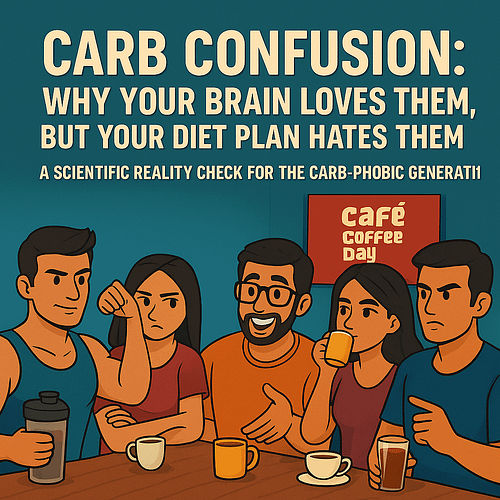
Picture this: It’s 7 PM at Café Coffee Day in Mumbai. Five friends—Arjun, Priya, Rohit, Sneha, and Karan—are huddled around a table, nursing their overpriced coffees and having the most Indian conversation ever: dissecting everyone’s diet choices.

“Bro, I’ve completely cut carbs,” announces Arjun, flexing his bicep like he just discovered the secret to immortality. “Only protein and fat. Carbs make you fat, yaar.”

Priya rolls her eyes so hard they almost fall out. “Oh please, I’m on keto. Zero carbs. My brain is so sharp now, I can literally feel my IQ increasing.”

Rohit, munching on a samosa (the irony!), jumps in: “You guys are doing it wrong. I only eat carbs after 6 PM. That’s when your metabolism slows down, so they get stored as fat during the day.”

Sneha, the self-proclaimed fitness influencer with 847 followers, declares: “Carbs are just sugar, guys. They spike your insulin and make you diabetic. I only eat protein for muscle growth.”

Karan, who’s been quietly sipping his cold coffee, finally speaks up: “Wait, wait, wait. You all sound like you learned nutrition from WhatsApp forwards and Instagram reels.”

Record scratch. Freeze frame.

Meet Karan—the guy who actually reads research papers for fun (yes, such people exist), has a degree in biochemistry, and is about to destroy everything his friends think they know about carbohydrates.

Chapter 1: What Are Carbs, Really? (Spoiler: They're Not the Devil)

“Let me blow your minds,” Karan begins, leaning back in his chair like a professor about to drop some serious knowledge. “Carbohydrates are literally just carbon, hydrogen, and oxygen hanging out together. They’re not some evil invention by the food industry—they’re one of the three macronutrients your body actually needs to, you know, stay alive.”

Arjun looks skeptical. “But bro, I read that—”

“Hold up,” Karan interrupts. “Before you quote that fitness influencer with the fake natty physique, let me explain the difference between simple and complex carbs, because apparently, nobody taught you this in school.”

Simple carbs are like that friend who shows up to the party unannounced—they hit fast and hard. Think sugar, candy, those tiny glucose bottles your mom forces down your throat when you’re sick. They’re absorbed quickly, giving you instant energy, but they’re gone faster than your motivation to study during exam season.

Complex carbs are the reliable friends. Rice, roti, oats, quinoa (yes, the overpriced grain that tastes like cardboard but makes you feel sophisticated). These take time to break down, providing steady energy like a good power bank that doesn’t die on you mid-Netflix binge.

“But why does my body even need them?” Sneha asks, genuinely curious now.

“Because,” Karan grins, “your body runs on glucose the way your phone runs on battery. And guess what carbs break down into? Glucose. It’s literally your body’s preferred fuel source. Saying you don’t need carbs is like saying your phone doesn’t need charging—technically possible for a while, but eventually, you’re going to have problems.”

Chapter 2: Your Brain on Carbs (Or: Why Low-Carb Makes You Cranky)

ChatGPT-Image-Jun-7-2025-09_27_20-PM

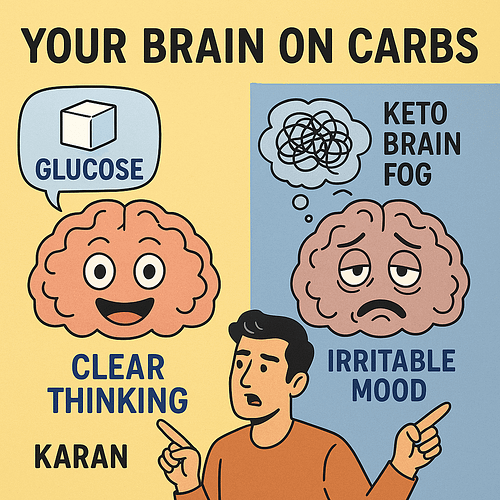
“Here’s something that’ll really mess with your heads,” Karan continues, clearly enjoying himself. “Your brain—that thing you use to think, dream, and scroll through Instagram—runs almost exclusively on glucose. About 120 grams per day, to be precise.”

Priya looks confused. “But I thought the brain could use ketones on keto?”

“Sure, it can,” Karan nods. “The same way you can technically run a car on cooking oil. It’ll work, but it’s not optimal. Your brain can adapt to use ketones during starvation or extreme carb restriction, but it’s like forcing Virat Kohli to play cricket with a tennis racket—he’ll manage, but why would you do that to him?”

“When you starve your brain of its preferred fuel, you get what we call ‘keto brain fog.’ You know that feeling when you can’t remember where you put your keys, or you stare at a simple math problem like it’s written in ancient Sanskrit? That’s your brain crying for glucose.”

Rohit shifts uncomfortably. “But I feel fine…”

“Do you though?” Karan raises an eyebrow. “Or have you just gotten used to functioning at 70% capacity and calling it ‘mental clarity’?”

The table goes quiet. Point: Karan.

Chapter 3: Carbs and Protein: The Ultimate Bromance

ChatGPT-Image-Jun-7-2025-09_27_12-PM

“Now, here’s where it gets really interesting,” Karan says, warming up to his favorite topic. “You all think protein and carbs are enemies, like Shah Rukh Khan and Salman Khan in the ’90s. But actually, they work together better than peanut butter and jelly.”

“What do you mean?” Arjun asks, leaning forward.

“It’s called the protein-sparing effect. When you eat carbs, your body uses them for energy and saves protein for its actual job—building and repairing tissues, making enzymes, keeping your immune system from falling apart like a Bollywood movie plot.”

“Without carbs, your body starts breaking down protein for energy through a process called gluconeogenesis. It’s like using your furniture for firewood when you have a perfectly good gas connection. Sure, it works, but now you have no furniture and you’ve wasted your protein.”

Sneha looks genuinely shocked. “So eating carbs actually helps protein work better?”

“Exactly! Plus, carbs improve protein digestion and absorption. When you eat carbs with protein, insulin gets released, which doesn’t just help with glucose uptake—it also helps shuttle amino acids into your muscles. It’s like having a really efficient delivery service instead of just throwing packages at your door and hoping for the best.”

Chapter 4: Carbs and Muscle Growth: The Anabolic Alliance

ChatGPT-Image-Jun-7-2025-09_27_05-PM

“But what about muscle growth?” Arjun asks, still clinging to his protein-only philosophy. “Surely that’s all protein?”

Karan laughs. “Oh, my sweet, gainless child. Let me introduce you to the concept of insulin—the most anabolic hormone you’ve never heard enough about.”

“When you eat carbs, insulin is released. Yes, the same insulin everyone demonizes. But here’s the thing—insulin is like the bouncer at an exclusive club, but for your muscles. It helps glucose and amino acids get into muscle cells, where they can actually do their job.”

“But that’s not all. Carbs replenish muscle glycogen—think of it as the premium fuel stored in your muscles. When you work out, you deplete this glycogen. If you don’t refill it, your next workout is going to feel like trying to drive a car on fumes.”

Rohit nods slowly. “That’s why I feel so weak in the gym lately…”

“Probably,” Karan confirms. “Plus, carbs help blunt cortisol—the stress hormone that breaks down muscle tissue. So by avoiding carbs, you’re basically telling your body to stay in a stressed, muscle-wasting state. It’s like trying to build a house while someone else is tearing down the walls.”

“And let’s talk workout performance. Ever tried doing squats on an empty tank? Your muscles store about 300-600 grams of glycogen, and when that’s depleted, your performance drops faster than the Indian rupee during a global crisis.”

Chapter 5: Timing Is Everything (Just Like Comedy)

“Okay, okay,” Priya concedes, “maybe carbs aren’t evil. But surely timing matters?”

“Finally, a smart question!” Karan grins. “Yes, timing does matter, but not in the weird, mystical way Instagram gurus make it sound.”

“The best times for carbs are around your workouts. Pre-workout carbs give you energy to actually lift something heavier than your ego. Post-workout carbs help replenish glycogen and kickstart recovery.”

“Here’s what this looks like in real life: If you work out at 6 AM, have some banana or dates beforehand—quick energy that won’t sit in your stomach like a brick. Post-workout, within 2 hours, eat some rice with dal, or poha, or even that paratha your mom made (yes, it’s okay to eat carbs your mom cooked without guilt).”

“If you’re working out in the evening, have a proper meal 2-3 hours before with complex carbs—rice, roti, whatever keeps you culturally satisfied. Post-workout, same deal.”

“The ‘no carbs after 6 PM’ rule is about as scientific as saying ‘no breathing after sunset.’ Your metabolism doesn’t have a watch, folks.”

Chapter 6: The Dark Side of No-Carb Diets (Plot Twist: It's Not Pretty)

ChatGPT-Image-Jun-7-2025-09_26_53-PM

The friends are starting to look a bit sheepish now, but Karan isn’t done. “Let’s talk about what happens when you go ultra-low carb for extended periods, because apparently, we need to learn this the hard way.”

“First, your thyroid function can slow down. T3, the active thyroid hormone, drops, which means your metabolism actually becomes slower. So much for that ‘metabolic advantage,’ right?”

“Then there’s the mood issues. Serotonin, your happy hormone, is made from tryptophan, which competes with other amino acids to get into your brain. Carbs help clear the competition, allowing more tryptophan through. No carbs equals potentially less serotonin equals hello, irritability and depression.”

“Women, this is especially important for you,” he says, looking at Priya and Sneha. “Extreme carb restriction can mess with your reproductive hormones. Your period might become irregular or disappear entirely. Your body literally thinks you’re in a famine and shuts down non-essential functions—like, you know, the ability to reproduce.”

“And let’s not forget the social cost. You become that person who can’t eat at birthday parties, family functions, or anywhere that serves normal food. You’re basically volunteering to be a social outcast for a diet that might not even be necessary.”

Priya looks horrified. “My period has been irregular lately…”

“Maybe eat some rice,” Karan suggests gently.

Chapter 7: Marketing Myths and Social Media Lies

ChatGPT-Image-Jun-7-2025-09_26_37-PM

“Now, let’s address the elephant in the room—or should I say, the ‘healthy’ atta biscuit in the supermarket aisle,” Karan says, his sarcasm meter hitting maximum levels.

“Companies have convinced us that anything with ‘atta,’ ‘multigrain,’ or ‘organic’ is automatically healthy. Newsflash: atta biscuits are still biscuits. They’re processed, loaded with sugar and unhealthy fats, and about as nutritious as cardboard with flavoring.”

“The same goes for ‘diet’ products, ‘sugar-free’ nonsense, and anything that promises to be a ‘healthy alternative’ to real food. If your great-grandmother wouldn’t recognize it, maybe don’t eat it daily.”

“And social media? Don’t get me started. These influencers selling you ’21-day transformation’ programs have never studied nutrition, never worked with diverse populations, and definitely never had to maintain their physique without professional photographers, perfect lighting, and posing tricks.”

“The keto community acts like they’ve discovered fire, the paleo people think they’re cavemen, and the intermittent fasting crowd believes they’ve hacked their biology. Meanwhile, your grandmother has been eating balanced meals her whole life and is probably healthier than all of them combined.”

Sneha looks down at her phone, clearly reconsidering her recent posts about “carb-free living.”

Chapter 8: The Perfect Analogy (Because Everyone Loves a Good Analogy)

ChatGPT-Image-Jun-7-2025-09_26_34-PM

“Let me leave you with this,” Karan says, leaning forward for his grand finale. “Carbohydrates are like electricity in your house. Electricity isn’t inherently good or bad—it’s a tool. You use it to charge your phone, run your AC, light your room, and power your WiFi for those 3 AM YouTube binges.”

“Now, if you become addicted to your phone, do you blame electricity? If your electricity bill is too high because you never turn off the AC, do you swear off electricity forever? Of course not. You learn to use it wisely.”

“Carbs are the same. They power your brain, fuel your workouts, help build muscle, and keep your hormones happy. The problem isn’t carbs—it’s our relationship with them. We either demonize them completely or go overboard with processed junk.”

“The solution isn’t to eliminate carbs; it’s to choose better ones, eat appropriate amounts, and time them well. Eat the rice, enjoy the occasional dessert, and stop making food choices based on fear and social media hysteria.”

The Reality Check: Time to Grow Up

As the evening winds down and the friends prepare to leave, Karan delivers his final thoughts:

“Look, I get it. We live in a world of extremes. Everything is either a superfood or poison, a miracle cure or pure evil. It’s easier to follow black-and-white rules than to think critically about complex topics.”

“But your body isn’t an Instagram post, and your health isn’t a hashtag. It’s a complex, beautiful system that has evolved over millions of years to thrive on a variety of foods—including carbohydrates.”

“Stop falling for marketing gimmicks and start trusting science. Stop fearing food groups and start building a healthy relationship with eating. Your body is smarter than any diet guru on the internet—maybe it’s time to listen to it.”


Your Mission (Should You Choose to Accept It)

Here’s your challenge: For the next month, instead of cutting out carbs, focus on choosing better ones. Replace processed snacks with fruits, refined grains with whole grains, and sugary drinks with water.

Eat carbs around your workouts. Include them in your meals without guilt. Notice how your energy, mood, and performance change when you fuel your body properly instead of starving it.

Most importantly, stop making food decisions based on fear, social media trends, or what worked for someone else’s body. Your body is unique, your lifestyle is unique, and your nutrition should reflect that.

Share this article with that friend who’s convinced carbs are evil, that family member who’s on their 47th diet this year, or anyone who needs to hear that food isn’t the enemy—misinformation is.

Because at the end of the day, life’s too short to be afraid of rice.


Remember: This blog is for educational purposes. If you have specific health conditions, metabolic disorders, or are on medication, consult with a qualified healthcare professional before making significant dietary changes. But also remember that most of us are just regular humans who need regular food—including carbohydrates.

Now go eat Rajma Rice  your mom made. She knows what she’s doing.

Carbohydrates Confusion: Why Your Brain Loves Them, But Your Diet Plan Hates Them Read More »

Muscle Matters: Your Body’s Long-Term Investment

Muscle Matters: Your Body's Long-Term Investment Strategy

☕️ After-Work Smoothie Stop – Where Muscle Myths Are Born

ChatGPT-Image-Jun-6-2025-09_15_17-PM


The sun is dipping behind the city mall as five friends spill into Flex & Sip Smoothie Bar, backpacks dumped, shaker cups in hand.

Maya (marketing intern) orders a “Skinny Berry Blast.” “Weights? No thanks. If I lift, I’ll bulk up like a bodybuilder.”

Jake (software whiz) sips a double-scoop whey shake. “I only train chest and arms, bro. Legs are pointless—they don’t show on camera.”

Priya (fashion design student) scrolls Insta reels of 1,000-calorie “protein pancakes.” “Muscle turns into fat when you stop, so what’s the point? I’ll just do cardio.”

Emma (final-year MBBS) unscrews a plain water bottle. “Women build muscle slower, so resistance training is basically wasted effort.”

Alex (chartered-accountant-in-training) raises an eyebrow while demolishing a paneer wrap. “Metabolism? Genetics decide that, not muscle. My dad was skinny; I’m safe.”

They trade high-fives, comparing “health” hacks that mostly involve avoiding serious training.

Then a quiet voice joins them: Sam—the only one wearing lifting shoes.

“Guys, every one of those beliefs is wrong. Muscle isn’t cosmetic. It’s metabolic gold. Give me ten minutes and I’ll prove it.”

The group leans in.

What Muscle Really Does (The Undervalued Employee)

ChatGPT-Image-Jun-6-2025-09_15_12-PM

Forget everything you think you know about muscle. It’s not just for Instagram flexing or impressing people at the beach.

Muscle is metabolically active tissue – it’s working 24/7, burning calories even while you binge-watch Netflix.

Think of your body as a company where every organ has a job:

  • Brain = CEO (consumes 20% of your daily calories just thinking)
  • Heart = Operations manager (never gets a break)
  • Liver = Multitasking superhero (handles 500+ functions)
  • Fat tissue = Storage warehouse (just sits there, occasionally releasing energy)
  • Muscle = The powerhouse employee everyone ignores

Here’s What Muscle Actually Does:

🔥 Burns calories at rest: 1 kg of muscle burns 12-15 calories daily doing absolutely nothing. 1 kg of fat? Maybe 4 calories.

🍯 Manages blood sugar: Muscles are like sponges that soak up glucose from your bloodstream, preventing diabetes.

🧹 Cleans up cholesterol: More muscle = more cholesterol used for repair and energy, keeping your arteries cleaner.

🦴 Protects bones and joints: Strong muscles = less wear and tear on your skeleton.

🧠 Boosts mental health: Resistance training releases endorphins, fights depression, and improves cognitive function.

Bottom line: Muscle is your body’s passive income generator. Build it once, profit for life.

💪 The Arnold Reality Check: Why "Getting Bulky" Is Your Biggest Fear

Maya’s Myth Demolished: “I don’t want to bulk up”

There’s a legendary story about Arnold Schwarzenegger at Gold’s Gym. A skinny guy approached him and said, “I don’t want to look like you.”

Arnold looked him up and down and replied, “Don’t worry. You never will.”

Why was Arnold so confident? Because he knew what building serious muscle actually requires:

  • Genetic lottery ticket (less than 1% of people have elite muscle-building genes)
  • Professional lifestyle (training 4-6 hours daily for decades)
  • Perfect nutrition (every meal measured, timed, optimized)
  • Pharmaceutical enhancement (let’s be honest about the ’70s bodybuilding scene)
  • Obsessive consistency (zero missed workouts for years)

The Biological Truth About Muscle Growth:

Men: Have 10-20x more testosterone than women. Even they struggle to build significant mass.

Women: Estrogen actively limits muscle bulk while promoting fat storage for reproductive health. You’re biologically designed NOT to bulk up.

What Women Actually Get From Lifting:

  • Toned, defined muscles (not bulk)
  • Better curves (lifted glutes, defined shoulders)
  • Stronger bones (prevents osteoporosis)
  • Hormonal balance (reduces PCOS symptoms)
  • Higher metabolism (burn more calories 24/7)
  • Confidence boost (nothing beats feeling physically strong)

Reality check: You’re more likely to accidentally become a millionaire than accidentally become bulky from lifting weights.

Ladies, dumbbells won’t make you bulky. Donuts will.

🍗 Start Early: Why Your Digestive System Needs Training Too

Here’s the secret fitness gurus won’t tell you: Building muscle isn’t just about lifting weights. Your gut needs to be trained to handle the protein required for growth.

This is why starting your muscle journey early matters more than anyone realizes.

The Age Factor Nobody Talks About:

Ages 20-35: Your muscles respond efficiently to 20-25g protein per meal. Your digestive system handles protein like a champ.

Ages 35-45: “Anabolic resistance” begins. You need 30-35g protein per meal for the same muscle-building effect.

Ages 45+: Your stomach produces less acid, pancreatic enzymes decline, and you need 35-40g protein per meal. Large protein portions can cause bloating and discomfort.

The Protein Ramp-Up Protocol:

Don’t go from 50g to 150g protein overnight. Your digestive system will revolt with gas, bloating, and bathroom emergencies.

Instead, follow the smart progression:

Week 1-2: Add 10-15g protein to your current daily intake Week 3-4: Add another 10-15g
Week 5-6: Add another 10-15g Continue until you reach 1.6-2.0g per kg body weight

Example for 70kg person:

  • Current intake: 50g daily
  • Week 1-2: 65g daily (one extra egg or Greek yogurt)
  • Week 3-4: 80g daily (add a palm-sized chicken portion)
  • Week 5-6: 95g daily (add a protein shake)
  • Week 7-8: 110g daily (add some lentils or paneer)
  • Target reached: 120-140g daily

Pro Tips for Digestive Training:

  • Split protein across 3-4 meals (easier on your system)
  • Choose “easy” proteins first: eggs, Greek yogurt, whey protein, slow-cooked chicken
  • Walk for 10 minutes after protein-rich meals (aids digestion)
  • Stay hydrated (protein metabolism needs extra water)

Remember: Learning to digest protein for muscle growth is like learning any skill. Start young, progress gradually, and by the time age slows your metabolism, you’ll have both the digestive power and muscle mass to fight back.

🏋️ Why Your Legs Matter More Than Your Instagram

ChatGPT-Image-Jun-6-2025-09_15_46-PM

Jake’s Myth Destroyed: “Only arms and chest matter”

Here’s a stat that’ll blow your mind: Your legs contain 60% of your total muscle mass.

Training only “mirror muscles” is like investing only in one stock. Sure, it might look good, but you’re missing massive returns.

The Big 5 Movement Patterns:

1. Squat/Hip Hinge (Legs & Glutes)

  • Muscles worked: 200+ muscles simultaneously
  • Real-world benefit: Getting up from chairs, climbing stairs, lifting heavy objects
  • Metabolic impact: Highest calorie burn during and after exercise

2. Push (Chest, Shoulders, Triceps)

  • Muscles worked: Entire front body chain
  • Real-world benefit: Pushing doors, moving furniture, lifting kids
  • Bonus: Improves posture by balancing pull movements

3. Pull (Back, Biceps)

  • Muscles worked: Entire back body chain
  • Real-world benefit: Pulling, carrying, preventing hunched shoulders
  • Posture impact: Counters forward head posture from desk jobs

4. Core Stabilization

  • Muscles worked: Deep abdominal and back muscles
  • Real-world benefit: Injury prevention, power transfer, balance
  • Hidden benefit: Better breathing and organ support

5. Loaded Carries

  • Muscles worked: Everything from head to toe
  • Real-world benefit: Carrying groceries, luggage, children
  • Functional strength: Translates directly to daily activities

Training Blueprint:

Beginners (0-6 months):

  • 3x per week full-body sessions
  • 8-12 reps per exercise
  • Focus on form over weight
  • Master basic movement patterns

Intermediate (6+ months):

  • 4x per week upper/lower split
  • Progressive overload tracking
  • Mix rep ranges (6-15 reps)
  • Add exercise variety

Why compound movements rule: One squat works more muscles than 5 isolation exercises combined. More muscles worked = more calories burned = better results in less time.

🔬 The Science of Muscle: Your Health SIP Formula

ChatGPT-Image-Jun-6-2025-09_15_32-PM

Progressive Overload + Smart Nutrition + Recovery = Compound Growth

Progressive Overload: The Growth Signal

Your muscles adapt only when challenged beyond their current capacity.

Week 1: 3 sets of 8 reps with 20kg Week 2: 3 sets of 9 reps with 20kg (one more rep) Week 3: 3 sets of 8 reps with 22.5kg (more weight) Week 4: 3 sets of 10 reps with 20kg (more volume)

No progression = no growth. It’s that simple.

Smart Nutrition: Fuel for Growth

Protein Target: 1.6-2.0g per kg body weight daily

Quality Sources:

  • Complete proteins: Eggs, chicken, fish, dairy, whey
  • Incomplete but valuable: Lentils, quinoa, nuts (combine with complete proteins)

Timing Strategy:

  • Breakfast: 25-30g (kickstart muscle protein synthesis)
  • Pre/Post workout: 20-25g (optimize training adaptations)
  • Lunch: 25-30g (maintain elevated amino acids)
  • Dinner: 25-30g (overnight recovery fuel)

Recovery: Where Growth Actually Happens

Sleep: Growth hormone peaks during deep sleep (stages 3-4) Duration: 7-9 hours minimum for optimal recovery Quality matters: Dark room, cool temperature, no screens 1 hour before bed

Active recovery: Light walking, stretching, yoga on rest days Stress management: Chronic stress kills muscle growth through cortisol elevation

🧠 Why Your Brain Sabotages Your Gains

Alex’s Myth Annihilated: “It’s all genetics”

Your sedentary lifestyle creates fake fatigue syndrome.

You feel “tired” because:

  • Blood circulation is sluggish (like a clogged drain)
  • Oxygen delivery to tissues is poor
  • Endorphin production is chronically low
  • Mitochondrial density decreases (fewer cellular power plants)

Mental exhaustion ≠ Physical exhaustion

The Exercise Paradox:

Before workout: “I’m too tired to exercise” During workout: “This is hard but I feel alive” After workout: “I’m energized and ready to conquer the world”

Once you start moving consistently:

  • Endorphins flood your system (natural antidepressants)
  • Blood flow to the brain increases (better focus and memory)
  • Dopamine and serotonin rise (motivation and happiness)
  • Energy levels skyrocket throughout the day

The Genetics Reality:

Yes, genetics influence your potential. But even “hard gainers” can:

  • Increase muscle mass by 20-40% with proper training
  • Boost metabolic rate by 15-25% through resistance training
  • Dramatically improve insulin sensitivity
  • Strengthen bones and connective tissue significantly

Don’t let genetics be your excuse. Use training to maximize whatever hand you were dealt.

🚫 The Muscle-to-Fat Myth Exposed

Priya’s Myth Obliterated: “Muscle turns to fat when you stop”

Scientific fact: Muscle and fat are completely different tissue types. Muscle cannot “turn into” fat any more than your brain can turn into your liver.

What actually happens when you stop training:

  1. Muscle atrophy: “Use it or lose it” – muscle size decreases
  2. Metabolic slowdown: Less muscle = lower daily calorie burn
  3. Same eating habits: If you keep eating the same calories with lower muscle mass, excess gets stored as fat
  4. Visual effect: Smaller muscles + same/more fat = “muscle turned to fat” illusion

The Long-Term Investment Reality:


Age 20-30: Build your muscle “retirement fund” Age 30-40: Maintain and protect your gains
Age 40+: Fight sarcopenia (age-related muscle loss)

Research-Backed Benefits:

  • 10% more muscle mass = 12% lower risk of type 2 diabetes
  • Each 1kg of muscle gained = 24% lower all-cause mortality risk
  • Resistance training reduces fall risk by 34% in older adults
  • Muscle mass directly correlates with independence in old age

The harsh truth: Less muscle today = less independence tomorrow. More muscle now = dignity and vitality in your golden years.

👩‍⚕️ Why Women Need Muscle More Than Men

Emma’s Myth Destroyed: “Women build muscle too slowly”

Plot twist: Women might build muscle at different rates than men, but the health benefits are actually more crucial for women.

Female-Specific Muscle Benefits:

Hormonal Health:

  • Resistance training balances estrogen and progesterone
  • Reduces PCOS symptoms through improved insulin sensitivity
  • Eases menopause transition by maintaining bone density
  • Regulates menstrual cycles

Bone Health Crisis Prevention:

  • Women lose 1-2% bone density annually after menopause
  • Resistance training can increase bone density by 1-3% per year
  • Strong muscles = strong bones = fracture prevention
  • Critical for preventing osteoporosis epidemic

Metabolic Advantages:

  • Higher muscle mass = higher daily calorie burn
  • Better glucose disposal (muscles act as sugar sponges)
  • Improved fat oxidation (burn fat more efficiently at rest)

The Female Training Advantage:

Women actually recover faster between sets and can handle more training volume than men.

This means:

  • More total weekly training possible
  • Better work capacity development
  • Excellent strength-endurance gains
  • Less injury risk from overtraining

The percentage strength gains are virtually identical between men and women when adjusted for starting strength.

Stop using your gender as an excuse to avoid the weight room.

📊 Your Muscle-Building Nutrition Cheat Sheet

The Protein Power Rankings:

Food Source20g Protein PortionLeucine ContentDigestibilityCost per 20g
Whey protein1 scoop (25g)2.5gExcellent₹25
Eggs3 large1.6gExcellent₹30
Greek yogurt200g2.0gGood₹40
Chicken breast80g1.9gGood₹45
Paneer100g1.8gGood₹50
Lentils (cooked)1.5 cups1.3gFair₹15

Strategic Meal Timing:

Upon waking: 25-30g protein (break overnight fast) Pre-workout: Light protein snack if training fasted Post-workout: 20-25g protein within 2 hours Evening: 25-30g protein (overnight recovery)

Essential Fats for Hormone Production:

  • Olive oil, ghee, nuts, avocado for testosterone synthesis
  • Omega-3 fatty acids for inflammation control and recovery
  • 20-30% of total calories should come from healthy fats

💰 The Muscle Investment Portfolio: Your 20-Year Returns

Think of muscle building as your health SIP (Systematic Investment Plan):

The Investment Structure:

  • Principal amount: Your current muscle mass
  • Monthly SIP: 3-4 weekly training sessions
  • Interest rate: Progressive overload
  • Compound growth: Metabolic benefits that multiply over time

Year-by-Year Returns:

Year 1:

  • 15-25% strength gains
  • Improved sleep quality
  • Better mood and energy
  • 2-5kg muscle gain possible

Years 2-3:

  • Visible physique changes
  • Significant metabolic improvements
  • Better insulin sensitivity
  • Reduced body fat percentage

Years 5-10:

  • Disease prevention benefits compound
  • Hormonal optimization
  • Peak physical performance
  • Establishment of lifelong habits

Years 10-20:

  • Graceful aging process
  • Maintained independence
  • Reduced healthcare costs
  • Higher quality of life

The Compound Effect Calculation:

  • Each workout: Burns 200-400 calories
  • Each kg of muscle: Burns extra 12 calories daily (4,380 yearly)
  • 5kg muscle gain: Extra 21,900 calories burned per year
  • Over 20 years: 438,000 extra calories = 125+ pounds of fat prevented

Missed investments = Health bankruptcy in later years

🎯 Your 12-Month Muscle Investment Action Plan

Month 1-2: Foundation Phase

Goals:

  • Establish consistent training routine (3x/week)
  • Begin protein ramp-up protocol
  • Learn basic movement patterns
  • Track everything (workouts, nutrition, sleep)

Key Actions:

  • Get baseline measurements (weight, body fat, photos)
  • Master bodyweight exercises before adding weights
  • Gradually increase protein by 10-15g every 2 weeks
  • Establish 7-9 hour sleep routine

Month 3-4: Building Phase

Goals:

  • Increase training frequency (4x/week)
  • Add external resistance (weights, bands)
  • Hit target protein intake consistently
  • Develop mind-muscle connection

Key Actions:

  • Learn compound movements (squat, deadlift, push-up, pull-up)
  • Progress overload weekly (more reps, weight, or volume)
  • Meal prep to ensure consistent nutrition
  • Take monthly progress photos and measurements

Month 5-8: Growth Phase

Goals:

  • Noticeable strength and physique changes
  • Advanced exercise variations
  • Intuitive nutrition habits
  • Consistent energy and mood improvements

Key Actions:

  • Add exercise variety to prevent plateaus
  • Focus on progressive overload religiously
  • Fine-tune meal timing around workouts
  • Address any lagging body parts or movement patterns

Month 9-12: Mastery Phase

Goals:

  • Significant visible muscle development
  • Advanced training techniques
  • Lifestyle integration complete
  • Inspiring others around you

Key Actions:

  • Experiment with different training styles
  • Consider working with a qualified trainer
  • Document your transformation journey
  • Set new challenging goals for year two

🔥 The Final Reality Check: Choose Your Future

Every rep is a deposit in your health bank account. Every protein-rich meal is compound interest. Every night of quality sleep multiplies your returns.

Two Paths Ahead of You:

Path 1: The Excuse Highway

  • “I don’t have time” (while watching 3+ hours of TV daily)
  • “I’ll start Monday” (Monday never comes)
  • “I’m too old/young/busy/tired” (everyone has the same 24 hours)
  • Destination: Weakness, dependence, regret, disease

Path 2: The Investment Route

  • Start with 20 minutes, 3x per week
  • Focus on consistency over perfection
  • Progress gradually but relentlessly
  • Destination: Strength, independence, confidence, vitality

The Brutal Truths:

You won’t accidentally become too muscular. But you might accidentally become too weak, too frail, too dependent.

Building muscle isn’t vanity. It’s the ultimate act of self-care and future planning.

No supplement, medication, or biohack can replace what your own muscle tissue provides:

  • 24/7 metabolic boost
  • Blood sugar regulation
  • Bone and joint protection
  • Mental health benefits
  • Independence and dignity in aging

Remember Arnold’s Wisdom:

That skinny guy worried about getting too big. Arnold knew he never would – not because it’s impossible, but because it requires a level of commitment most people never reach.

Don’t worry about getting too strong. Worry about staying too weak.

💪 Your Muscle Investment Starts Now

ChatGPT-Image-Jun-6-2025-09_15_36-PM

The best time to start building muscle was 10 years ago. The second-best time is today.
The worst time is tomorrow (because it never actually comes).

Your First Steps:

  1. Schedule your first workout for this week (not next week)
  2. Add one high-protein food to each meal
  3. Commit to 7+ hours of sleep tonight
  4. Take a “before” photo (you’ll thank yourself later)

The Promise You Make to Your Future Self:

“I will invest in muscle not for how I look today, but for how I want to live at 60, 70, and 80. I will be the person who climbs stairs without assistance, plays with grandchildren without fatigue, and maintains dignity and independence until my final days.”

Stop making excuses. Start making gains.

Your body is the only place you have to live for your entire life.

Make it a fortress, not a prison.

Ready to start your muscle investment journey? Your future self is counting on the decision you make right now.


Muscle Matters: Your Body’s Long-Term Investment Read More »

The Fat Fiasco: Why Your Brain is Starving (And How to Feed It Right)

Your Brain’s Lipid Lifeline: The Science of Fats, Cholesterol, and Triglycerides

🏛️ The Brain: The Headquarters Built on Fat

ChatGPT-Image-Jun-2-2025-09_27_26-PM

Imagine your body as a massive, high-stakes corporation.

At the very top is the headquarters—your brain.
It’s the command center, the hub where every decision is made, every plan is hatched, every system is managed.

But here’s the twist:
This headquarters isn’t made of concrete or steel. It’s not some high-tech glass building.
It’s built on fat.

That’s right—your brain is about 60% fat by weight. It’s a buttery, fatty powerhouse that relies on lipids for everything:

  • Structure (cell membranes).

  • Communication (neurotransmitters).

  • Speed (myelin sheaths).

  • Energy (fat metabolism in neurons).

Now imagine this:
One day, someone gets scared of “fats” because of what they heard on TV.
They decide to cut the budget—no more fats in the system.
The headquarters panics. The walls (cell membranes) start crumbling.
The wiring (neurons) frays. The communication lines glitch.
Suddenly, decisions slow down. Focus blurs. Motivation vanishes. Mood tanks.

This is exactly what happens when you starve your brain of fats.

Your brain isn’t fighting fats—it is fats.

The Cholesterol Highway: Understanding Your Body's Logistics Network

Your body is like a massive construction site—every cell is building, repairing, expanding. Cholesterol is the raw material—the bricks and cement needed to build walls (cell membranes), communication lines (hormones), and even roads (nerves).

But cholesterol can’t just float around in your bloodstream like confetti—it’s not water-soluble. It needs special delivery trucks to carry it from the factory (liver) to the construction sites (cells). These trucks are called lipoproteins.

LDL: The Delivery Trucks (Not the Villains)

Think of LDL (Low-Density Lipoprotein) as the cargo truck carrying raw materials to your body’s construction sites. LDL’s job is simple but critical:

  • Delivers cholesterol from your liver to cells that need it for building and repair
  • Supplies raw materials for hormone production (testosterone, estrogen, cortisol)
  • Provides building blocks for cell membranes and vitamin D synthesis

So why does LDL get such a bad rap? Because when there’s too much LDL, or when the roads (your arteries) are damaged by inflammation, the trucks start piling up. They get stuck, cholesterol leaks out, and immune cells come rushing in like police at an accident site. This leads to plaques, narrow arteries, and eventually—heart disease.

But here’s the truth: LDL isn’t bad by default. It’s essential. It’s only dangerous when you have too much of it OR your arteries are damaged by smoking, high sugar intake, processed food, lack of exercise, or chronic stress.

HDL: The Cleanup Crew (The Real Heroes)

HDL (High-Density Lipoprotein) is the good guy—the garbage truck. Its job is to:

  • Pick up excess cholesterol from arteries and tissues
  • Return it to the liver for recycling or disposal
  • Prevent LDL from building up where it shouldn’t

More HDL = better cleanup = less risk of blockages. It’s your body’s maintenance crew working 24/7 to keep the highways clear.

When Things Go Wrong: The Real Culprits

Let’s get this straight: LDL isn’t dangerous by itself. Cholesterol isn’t evil by default.

What’s dangerous is when LDL + inflammation + oxidative stress join forces. Here’s the science:

  • When LDL particles get oxidized (damaged by free radicals), they become sticky and trigger an immune response
  • Your body thinks it’s under attack, so white blood cells try to clean up the mess
  • This creates foam cells and plaques, narrowing arteries and risking blockages

So the real villains are:

  • Sedentary lifestyle (poor traffic management)
  • Processed, inflammatory foods (road damage)
  • Sugar overload (arterial wall damage)
  • Chronic stress (system-wide inflammation)

Your Brain: The Fatty Masterpiece You've Been Starving

ChatGPT-Image-Jun-2-2025-09_34_06-PM

Here’s a fact that’ll reshape how you think about nutrition: Your brain is approximately 60% fat by dry weight. It’s not just using fat—it’s literally built from it.

Why Your Brain Needs Fat (The Science Made Simple)

Cell Membranes: Every brain cell is wrapped in a double layer of fats (phospholipid bilayer). Without adequate fats, these protective barriers become brittle instead of flexible.

Myelin Sheath: Think of neurons as electrical wires, and fats as the insulation that lets signals travel smoothly. The myelin sheath is the fatty insulation around neurons that allows signals to travel 200 times faster. Without adequate fats, your brain becomes like an old building with frayed wires—signals short-circuit, leading to brain fog, memory issues, and mood disorders.

Neurotransmitter Production: Fats help regulate brain chemicals that control your entire mental experience. A fat-deprived brain is like an office with no internet—slow, unreliable, and frustrating. Without adequate fats, production of key neurotransmitters tanks:

  • Dopamine (motivation and reward)
  • Serotonin (mood and happiness)
  • Acetylcholine (memory and learning)


The Omega Balance: Your Brain's Delicate Ecosystem

Not all fats are created equal. Your brain health depends on the right balance:

Omega-3 Fatty Acids (The Brain’s Best Friends):

  • DHA & EPA: Anti-inflammatory superstars that build brain cell membranes
  • Sources: Fatty fish, flaxseeds, walnuts, chia seeds
  • Function: Strengthen myelin, boost neurotransmitters, fight inflammation

Omega-6 Fatty Acids (Essential but Dangerous in Excess):

  • Function: Necessary for brain function but inflammatory in large amounts
  • Sources: Vegetable oils, processed foods
  • The Problem: Modern diets often have 20:1 omega-6 to omega-3 ratios instead of the ideal 4:1

The Low-Fat Diet Disaster: When Fear Creates Disease

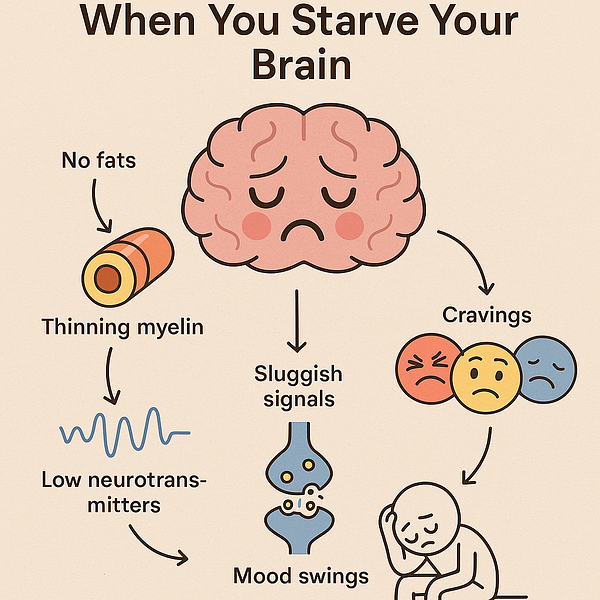
The war against fats created an epidemic of brain fog, mood disorders, and cognitive decline. Here’s what happens when you starve your brain:

The Downward Spiral

  1. Reduced fat intake → Less raw material for brain cells
  2. Myelin deterioration → Slower signal transmission
  3. Neurotransmitter decline → Mood swings, poor focus
  4. Sugar cravings → Brain desperately seeking quick energy
  5. Inflammation cycle → Processed carbs damage brain function further

The Real-World Impact

Studies consistently show:

  • Low-fat diets increase depression and anxiety risk
  • Omega-3 deficiency accelerates cognitive decline
  • High-processed-carb, low-fat diets reduce brain volume over time
ChatGPT-Image-Jun-2-2025-09_38_22-PM

The Trans Fat Crisis: The Real Villain in Your Diet

While we were demonizing butter and ghee, the real enemy was hiding in plain sight: trans fats.

How Trans Fats Are Born (The Frankenstein Process)

Food manufacturers wanted oils that stay solid at room temperature (like margarine) and have long shelf life for packaged snacks. So they took liquid vegetable oils and pumped them full of hydrogen atoms in a process called hydrogenation.

This chemical process distorts the natural structure of fats—creating trans fats that your body doesn’t recognize. It’s like trying to fuel a Ferrari with toxic sludge—the engine sputters, chokes, and eventually fails.

The Damage They Cause

Trans fats are metabolic wrecking balls:

  • Replace healthy fats in cell membranes
  • Trigger chronic inflammation
  • Raise LDL while lowering HDL (double damage)
  • Cause insulin resistance and metabolic dysfunction

Where They Hide

  • Packaged snacks and baked goods
  • Fried fast foods
  • Margarine and vegetable shortening
  • Anything with “partially hydrogenated oils” on the label

How to Feed Your Brain Right: The Smart Eating Strategy

ChatGPT-Image-Jun-2-2025-09_37_08-PM

Want razor-sharp focus, stable mood, and mental clarity? Here’s your blueprint:

Fats First (The Brain’s Premium Fuel)

Omega-3 Rich Foods:

  • Fatty fish (salmon, sardines, mackerel) – 2-3 times per week
  • Flaxseeds, chia seeds, walnuts – daily handfuls
  • Quality fish oil supplements if needed

Healthy Saturated Fats:

  • Ghee and grass-fed butter – for cooking and flavor
  • Coconut oil – excellent for high-heat cooking
  • These provide stability and hormone production support

Monounsaturated Fats:

  • Extra virgin olive oil – for salads and low-heat cooking
  • Avocados, almonds, olive oil – for flexibility and anti-inflammatory benefits

Balance with Quality Carbs and Proteins

  • Complex carbs: Whole grains, fruits, vegetables (for fiber and antioxidants)
  • Quality proteins: Eggs, lean meats, legumes (for neurotransmitter building blocks)
  • Hydration: Your brain is 75% water—dehydration equals instant fog

The Exercise Connection: Your Body's Traffic Management System

Think of exercise as your body’s traffic management system:

  • Keeps the roads (arteries) wide and clear
  • Boosts HDL levels (more cleanup crews on duty)
  • Lowers triglycerides (reduces backup fuel stored as fat)
  • Improves insulin sensitivity (reduces inflammation that damages artery walls)
  • Reduces LDL oxidation (less sticky, problematic particles)

Studies show even 30 minutes of moderate exercise (like brisk walking) can transform your cholesterol profile. You don’t need to run marathons—you just need to move consistently.

The Marketing Myths That Misled Us

Let’s set the record straight on the biggest nutritional lies:

The Sugar Industry Cover-Up

In the 1960s, sugar industry-funded research quietly shifted blame for heart disease from sugar to fats. The result? We cut fat and loaded up on sugar—making obesity and diabetes skyrocket.

The Low-Fat Product Scam

Food companies stripped fat from everything, then added sugar, artificial flavors, and chemicals to make it taste decent. We got sicker, not healthier.

The Olive Oil Halo Effect

While olive oil is excellent, it’s not magic. No single food can undo a lifestyle of inactivity and processed food consumption.

Your Call to Action: Stop Fearing, Start Thriving

It’s time to end the fat phobia and start feeding your brain like the sophisticated machine it is.

What to Do Starting Today:

  1. Embrace healthy fats – Add ghee to your cooking, snack on nuts, enjoy fatty fish
  2. Eliminate trans fats – Read labels, avoid processed junk
  3. Balance your omegas – Reduce processed oils, increase omega-3 rich foods
  4. Move daily – Walk, dance, lift, stretch—just move consistently
  5. Manage stress – Chronic stress wrecks your entire system

The Bottom Line

ChatGPT-Image-Jun-2-2025-09_29_11-PM

Your brain isn’t asking you to fear fats—it’s begging you to respect them. When you fuel your brain with the fats it needs, you unlock:

  • Crystal-clear thinking
  • Stable, positive mood
  • Sustained energy throughout the day
  • Better memory and learning capacity
  • Reduced risk of cognitive decline

So the next time someone says “ghee will kill you,” smile and respond: “No, starving my brain will.”

Your mind is the CEO of your life. It’s time to give it the premium fuel it deserves.

The Fat Fiasco: Why Your Brain is Starving (And How to Feed It Right) Read More »

🏋️‍♂️ The Exercise Excuse Epidemic: Why Your Brain Lies to You About Being “Too Tired”

🏋️‍♂️ The Exercise Excuse Epidemic: Why Your Brain Lies to You About Being "Too Tired"

Your Body is a Company: The Corporate Politics of Health

hear mind at corporate

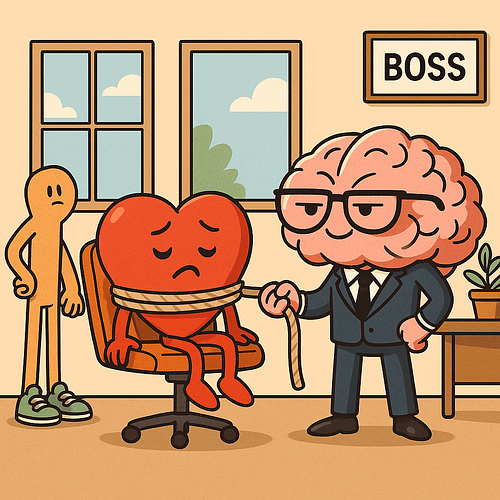
Imagine this: Your body is a company. At the top sits the Mind—the CEO. A polished, smooth-talking executive in a fancy chair, obsessed with one thing: stability. No risks, no big moves, just keep the status quo.

The Heart? That’s the ambitious employee. The one who believes in growth, who wants to train, improve, and build resilience. The Heart raises its hand and says, “Boss, let me push harder. Let’s take on new challenges, so we’re ready for whatever comes next.”

But the Mind—the lazy CEO—doesn’t like this. It wants comfort, not challenge. So it does what any complacent leader would:
It gathers a team of yes-men—the muscles, the joints, the limbs—who nod along in agreement.
“Training sounds like extra work for us. Let the Heart stay in its place.”

So they conspire:
“Let’s tie the Heart to a chair. Keep it quiet. We don’t need growth, just stability.”

And for a while, this works. The company runs smoothly—on the surface. But underneath, decay begins. The Heart, without training, gets weaker. The system slows down. Performance dips. Stress builds. The limbs grumble, the body struggles, and soon, even the CEO starts to panic.

Here’s the truth:
Stability is a slow death.
Comfort is a trap.
And your body knows it.

The only force that can overthrow the lazy CEO?
Willpower.

Your Willpower is the Board of Directors. It has the authority to fire the Mind when it gets too cozy, too lazy, too scared of growth. Willpower can stand up and say:
“Enough. We’re done playing it safe. It’s time for action. Heart, take the lead.”

You have to side with your Heart. Because comfort may feel safe, but it’s slowly killing your strength, your energy, and your future.

A lazy mind is the worst boss. Fire it. Let your heart lead.
Let the Heart train, or the whole body will suffer.

🛏️ The Morning Excuse Drama – We’ve All Been There

morning trap

It’s 6:00 AM. Your alarm is screaming like a toddler at a supermarket.

Last night, you were pumped:
“Tomorrow is the day. I’ll wake up early, work out, turn my life around.”

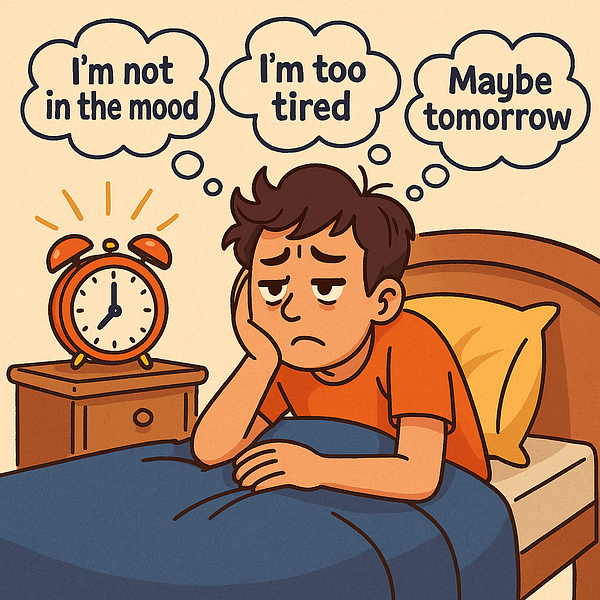
But now, wrapped in your blanket, your brain flips the script:
“I’m too tired from work.”
“Didn’t sleep enough.”
“It’s raining. Let’s not risk it.”
“Monday will be a fresh start.”

Sound familiar? Of course it does.

And here’s the irony:
You’ll drag this same exhausted body to a 9-hour desk job. You’ll sit through mind-numbing meetings, deal with a boss who thinks deadlines are suggestions, and survive on two cups of coffee and a headache.

But ask that same person to move for 30 minutes?
Suddenly, it’s a crisis.

This isn’t tiredness. It’s a mental con job—the Mind CEO keeping you in the comfort zone while your Heart screams for growth.

cc424e0a-5b8e-4cb1-9ed7-a98f8bdcfbf5

⚖️ The Double Standard Dilemma – Why We Show Up for Everyone but Ourselves

You’ll show up for your boss.
You’ll show up for your family.
You’ll show up for your friends.

But when it comes to showing up for yourself—for your health, your future, your life—you bail.

You tell yourself you’re too tired. Too busy. Too stressed.

But here’s the truth:
Your body—the one doing the thankless work of keeping you alive—is the only thing you can’t replace.
And every time you say no to exercise, you’re telling your body:
“I don’t value you. I’ll show up for the world, but not for myself.”

🧠 The Sedentary Trap – Why You Feel Exhausted After Sitting All Day

sedantry trap

Let’s break this down:
You sat in an air-conditioned office for 8 hours. You didn’t lift weights. You didn’t run a marathon. So why do you feel like you’ve been steamrolled?

Because your brain is tired, not your body.

Mental fatigue from endless decisions, stress, and screen time feels like exhaustion. But it’s a lie. Your body isn’t tired—it’s bored, weak, and underused.

Your muscles are rusting.
Your metabolism is slowing.
Your posture is collapsing.

And every hour you sit still, your body quietly whispers:
“Please… move me. Challenge me. I’m not meant for this.”

🔬 The Science of Energy – Why/how Exercise Fuels You

after exercise

Your brain will scream:
“Don’t exercise, you’ll get more tired!”

But science laughs in its face.

Here’s what happens when you move:

  • Endorphins flood your system—nature’s painkillers, giving you the post-workout high.

  • Dopamine rewards your effort, making you crave more.

  • Serotonin lifts your mood and calms your anxiety.

  • Cortisol—the stress hormone—drops.

  • Mitochondria multiply, creating more energy at the cellular level.

The result? You feel energized, not drained. Your brain’s tiredness was a lie all along.

🧱 The Inertia Wall – Why Starting Feels Like Hell

Newton’s law applies:
An object at rest stays at rest.

The couch is sticky. The phone is addicting. Your brain will throw a tantrum. The first 5 minutes of movement feel like punishment.

But if you push through—just 5 minutes—everything shifts.
Your body wakes up. Your heart beats stronger. Your lungs fill deeper. Energy starts flowing.

You realize:
“I wasn’t tired. I was stuck. And now I’m free.”

🔗 The Discipline Loop – Why Exercise Makes You Eat Better

discipline-castle

Here’s what your brain doesn’t tell you:
Once you start exercising, you care. You don’t want to undo your effort with junk food. You think twice before ordering that burger.

Because deep down, you know:
Self-built castles are hard to demolish.

You laid the bricks—time, sweat, effort. You won’t smash it with a moment of weakness. Exercise brings forced discipline—it makes you value your work, respect your body, and protect your progress.

🚀 The Post-Workout Reality Check – What You Always Forget

Think back to the last time you actually worked out.

Did you feel worse afterward? Or did you feel:

  • Energized, not sluggish?

  • Proud, not guilty?

  • Clear-headed, not foggy?

  • Motivated, not drained?

Your brain forgets this feeling every time. That’s why you have to remind yourself:

The discomfort of starting lasts minutes. The pride of finishing lasts all day.

🎯 The Motivation Myth – Why Waiting is a Trap

Waiting for motivation is like waiting for a Mumbai local train during monsoon—it might never come.

You won’t feel like exercising 90% of the time. That’s why fit people don’t rely on feelings. They rely on systems. They move first, and motivation follows.

However Refrring to past you can answer the following questions which may puch u better:-

  • Have you ever regretted a workout?
    (No? Then why do you keep postponing it?)

  • Have you ever felt guilty after a workout?
    (Exactly. Guilt only visits the ones who skip, not the ones who show up.)

  • Do you postpone brushing your teeth when you don’t feel like it?
    (Then why does your body hygiene get a pass?)

  • Is your energy low because you’re tired — or because you’re untrained to move?

  • What excuse is your brain feeding you today — and would you let your child use it?

  • Are you choosing rest or just postponing discomfort?

Action → Energy → Motivation. That’s the sequence. Not the other way around.

🔥 The 5-Minute Challenge – Call Your Brain’s Bluff

ChatGPT-Image-Jun-1-2025-03_58_21-PM

Try this experiment:
Tell your brain, “I’ll just do 5 minutes.”
Start moving. Feel the resistance. Push through.

Watch how, by minute 3 or 4, you’re into it. You’re breathing, sweating, alive.
That’s your body waking up.

🚨 Final Call to Action – Your Body is Waiting. Don’t Let It Wait Forever.

You’ll show up for your boss.
You’ll show up for your family.
You’ll show up for your friends.

But will you show up for you?

Your body is your only true partner. It fights for you, heals you, carries you.

Every time you say no to movement, you vote for weakness.
Every time you push through, you vote for strength, energy, and life.

Your brain will say no.
Your body is screaming yes.

Don’t let your brain win.
Move. Sweat. Build discipline. Protect your castle.

Your future self will thank you.

🏋️‍♂️ The Exercise Excuse Epidemic: Why Your Brain Lies to You About Being “Too Tired” Read More »
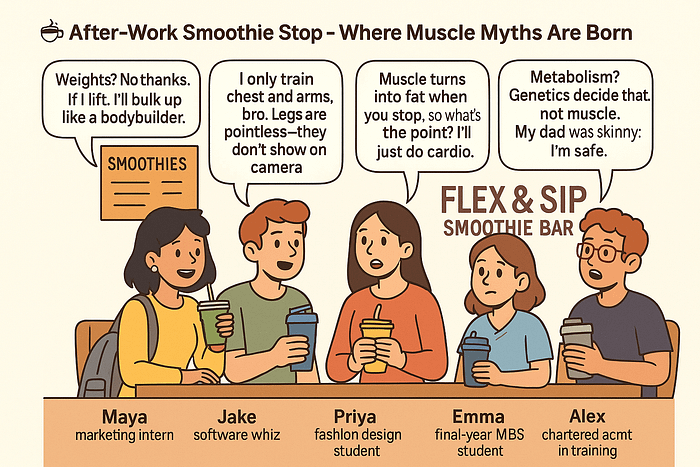
The Sweet Deception: How Sugar Hijacks Your Body

THE SWEET VILLIAN :HIJACKS YOUR BODY LIKE NO OTHER

The Café Scene: Raising the Big Questions

It’s a typical afternoon at a busy café. A group of friends sits around a table, each holding a different sugary drink or snack: soda, iced tea, ice cream, honey-sweetened tea, jaggery snacks, and a fruit juice-packed protein shake. Laughter and conversation flow, but so do questions about what’s really in their cups and plates.

“Is sugar really that bad?”
“What about honey and jaggery—aren’t they healthy?”
“Doesn’t our body need sugar for energy?”
“What happens if we don’t eat sugar at all?”
“Are diet sodas and sugar-free products better?”
“If I eat fat, does that mean I won’t deposit fat?”

These questions are the perfect launchpad for understanding the true impact of sugar on your body. Let’s leave the characters behind and dive into the science.

What Happens When Sugar Enters Your Body: A Step-by-Step Breakdown

ChatGPT Image May 31, 2025, 11_35_23 AM

Digestion: How Sugar Is Processed (Glucose vs. Fructose)

1. Mouth: The First Stop

  • What happens: As soon as sugar hits your mouth, enzymes start breaking it down.

  • Why it matters: Simple sugars (like those in candy or soda) are digested quickly, unlike the complex carbs in whole grains or vegetables.

2. Stomach and Small Intestine: Breakdown and Absorption

  • What happens: Sugars like sucrose (table sugar) are broken into glucose and fructose in the small intestine.

  • How they’re different:

    • Glucose: Absorbed into the bloodstream quickly and used by every cell in your body for energy.

    • Fructose: Absorbed more slowly and sent directly to the liver for processing.

3. Bloodstream and Liver: The Body’s Response

  • Glucose: Causes a rapid rise in blood sugar, triggering insulin release from the pancreas.

  • Fructose: In the liver, fructose is converted into fat if there’s too much, contributing to fatty liver disease and insulin resistance.


The Sugar Timeline: What Happens Minute by Minute

0–5 Minutes: The Moment of Impact

  • What happens: Sugar enters your mouth and digestion begins.

  • Why it matters: Quick digestion means a fast rise in blood sugar.

5–20 Minutes: The Glucose Flood

  • What happens: Glucose rushes into your bloodstream.

  • Why it matters: Your pancreas releases insulin to help cells absorb glucose for energy.

  • The problem: If this happens too often, your cells become less sensitive to insulin (insulin resistance).

Fructose: The Liver’s Unwanted Guest

  • What happens: Fructose heads straight to your liver.

  • Why it matters: Your liver processes fructose like alcohol, turning it into fat. Over time, this leads to fatty liver disease.

30–90 Minutes: The Crash

  • What happens: After the initial energy spike, your blood sugar plummets.

  • Why it matters: You feel tired, hungry, and irritable—leading you to crave more sugar.

Immediate Effects

  • Energy rollercoaster: Highs and lows in energy and mood.

  • Brain fog: Difficulty concentrating and remembering.

  • Immune suppression: White blood cells work less efficiently.

  • Sleep disruption: Sugar late in the day can interfere with sleep quality.

Myth-Busting: Fat, Sugar, and Fat Storage

ChatGPT Image May 31, 2025, 12_03_36 PM

Myth:
You need to eat sugar for your body to function properly.

  • Reality:
    Your body does need glucose—a type of sugar—as a primary energy source, especially for your brain and muscles. However, your body is perfectly capable of producing all the glucose it needs from the carbohydrates, proteins, and fats you eat. You do not need to consume added sugar or even natural sugars directly to meet this need135.
  • The real culprit:
    Many people confuse the body’s need for glucose with the idea that they must eat sugary foods. In reality, whole foods like fruits, vegetables, grains, and legumes provide glucose along with fiber, vitamins, and minerals—making them a much healthier choice than processed sugars.
  • Takeaway:
    While glucose is essential for life, you don’t need to eat sugar to get it. Your body is designed to extract and make glucose from a wide variety of foods. Focus on a balanced diet rich in whole foods, and let your body handle the rest!

Myth:

Eating fat means your body will deposit fat.

  • Reality:
    Eating fat does not automatically make you fat. Your body stores fat when you consume more calories than you burn, regardless of whether those calories come from fat, carbs, or protein.

    The real culprit:
    Excess sugar (especially fructose) is easily converted to fat in the liver. Eating too many calories—especially from sugar and refined carbs—is what leads to fat storage, not just eating fat itself.

    Takeaway:
    A balanced diet with healthy fats, proteins, and complex carbs is key. Processed sugars and refined carbs are much more likely to be stored as fat than healthy fats.

    Myth:
    Honey is natural and healthy.

    Reality:
    Honey is mostly sugar (about 40% fructose, 30% glucose). The tiny amount of vitamins and antioxidants doesn’t offset the high sugar load.

    The real culprit:
    Regularly consuming large amounts of honey—or any concentrated sweetener—can spike blood sugar just like table sugar, leading to insulin resistance and fat storage46.

    Takeaway:
    A spoonful of honey isn’t a health food. Use it sparingly, and don’t be fooled by “natural” labels.

    Myth:
    Jaggery is unrefined and healthier than sugar.

    Reality:
    Jaggery is still mostly sugar with a little iron and minerals. The nutritional difference from regular

Myth:
Diet sodas and sugar-free drinks are healthy alternatives to regular sugary beverages.

  • Reality:
    While diet sodas and sugar-free drinks don’t contain sugar or calories, they often contain artificial sweeteners like aspartame, sucralose, or saccharin. Research shows that regular consumption of these beverages is linked to increased risks of type 2 diabetes, high blood pressure, cardiovascular problems, weight gain, and even depression137. Some studies suggest they may also disrupt gut health and increase cravings for sweet foods8.
  • The real culprit:
    Artificial sweeteners can trick your body into craving more sugar and calories, potentially leading to overeating and metabolic issues. Additionally, observational studies have found associations between diet soda intake and higher risks of heart disease, stroke, and even mental health concerns.
  • Takeaway:
    Diet sodas and sugar-free drinks are not a “healthy” alternative—they come with their own set of risks. Water, unsweetened tea, or infused water are much better choices for staying hydrated and healthy.

Myth:
Fruit juices are healthy because they’re made from fruit and don’t contain added sugar.

  • Reality:
    Even 100% fruit juice (with no added sugar) is high in natural sugars and lacks the fiber found in whole fruits. Without fiber, the sugar in juice is absorbed quickly, causing rapid spikes in blood sugar and insulin levels—similar to sugary sodas.
  • The real culprit:
    Drinking fruit juice regularly can contribute to weight gain, insulin resistance, and increased risk of type 2 diabetes. The fiber in whole fruit slows sugar absorption and provides important nutrients, but juicing removes this benefit.
  • Takeaway:
    Eat whole fruits instead of drinking juice to get the full nutritional benefits and avoid blood sugar spikes. If you do enjoy juice, keep portions small and make it an occasional treat.


Want a quick way to tell if a food is truly healthy? Simply check its scientific value known as the glycemic index—it’s a reliable measure that reveals how sharply a food will spike your blood sugar.

GI CategoryExamples of Foods
High (≥70)White rice, puffed rice, white bread, maida, dosa, idli, samosa, puri, bhature, vada pav, medu vada, lemon rice, cornflakes, jaggery, cookies, poha, pumpkin, watermelon
Medium (56–69)Muesli, rye, couscous, basmati rice, sweet potato, beetroot, papaya, pineapple, raisins, honey, table sugar, brown sugar, noodles, soft drinks, roti, upma, paratha, banana, mango
Low (≤55)Whole wheat (atta roti), brown rice, quinoa, barley, soybean, broccoli, carrot, cauliflower, eggplant, lettuce, spinach, tomatoes, apple, guava, jamun, orange, pear, peach, plum, strawberries, blueberries, lentils (dal), chickpeas (chana), kidney beans (rajma), black-eyed peas (chawli), milk, yogurt, cheese, nuts, seeds

Quick Tip:
Opt for whole grains, legumes, vegetables, and nuts to keep your blood sugar stable. Limit refined grains and sugary snacks for better health!

The Disease Cascade: How Sugar Leads to One Problem After Another

1. Insulin Resistance & Prediabetes: The City’s Alarm Bells

How it starts:
Sugar floods your bloodstream after every sugary snack or drink. Your pancreas—the city’s emergency response team—sends out insulin to help move sugar into cells for energy.

What goes wrong:
But when sugar attacks are constant, your cells get overwhelmed. They stop listening to insulin’s signals. Blood sugar levels stay high, and the city’s alarm bells (your body’s warning system) start ringing.

What it feels like:
You might not notice anything at first, but inside, your body is struggling to keep up.


2. Type 2 Diabetes: The City’s Power Grid Fails

How it develops:
With insulin resistance, your pancreas works overtime, but eventually, it burns out. Blood sugar stays dangerously high, damaging blood vessels and nerves.

Cascading effects:

  • Poor wound healing: Damaged blood vessels mean cuts and scrapes heal slowly, and infections are more likely.

  • Neuropathy: Nerves in your hands and feet get damaged, causing tingling, pain, or numbness.

  • Retinopathy: Blood vessels in your eyes weaken, leading to blurry vision or even blindness.

  • Kidney disease: High blood sugar damages the kidneys’ delicate filters.

  • Heart disease: Damaged blood vessels increase the risk of heart attacks.

  • Immune suppression: Your immune system weakens, making infections harder to fight.

What it feels like:
You might feel tired all the time, thirsty, or notice frequent infections. Small cuts take forever to heal.


3. Obesity & Metabolic Syndrome: The City’s Traffic Jam

How it develops:
Excess sugar is stored as fat, especially around your belly. Your body’s “traffic” (metabolism) gets clogged.

Cascading effects:

  • Joint pain: Extra weight stresses your joints, leading to pain and stiffness.

  • Sleep apnea: Fat deposits block your airways, causing poor sleep and daytime fatigue.

  • Worse insulin resistance: More fat makes cells even less sensitive to insulin, making diabetes harder to control.

  • Metabolic syndrome: High blood pressure, high blood sugar, and abnormal cholesterol team up to increase heart disease risk.

What it feels like:
You feel sluggish, achy, and out of breath easily. Your energy levels are unpredictable.


4. Fatty Liver Disease (NAFLD): The City’s Waste Plant Overflows

How it develops:
Your liver, the city’s waste treatment plant, gets overwhelmed by fructose. It starts storing fat, leading to inflammation and scarring.

Cascading effects:

  • Liver inflammation (NASH): The liver swells and becomes damaged.

  • Cirrhosis: Scarring replaces healthy liver tissue.

  • Liver cancer: Advanced scarring increases cancer risk.

  • Metabolic dysfunction: Liver problems make insulin resistance and diabetes worse.

What it feels like:
You might not notice anything at first, but as the disease progresses, you feel tired, bloated, or have pain in your upper right abdomen.


5. Cardiovascular Disease (Heart Disease & Stroke): The City’s Roads Crumble

How it develops:
Chronic high blood sugar, high blood pressure, and inflammation damage your blood vessels—the city’s roads and highways.

Cascading effects:

  • Heart attack: Blocked arteries cut off blood flow to your heart.

  • Stroke: Blocked or burst blood vessels in your brain cause brain damage.

  • Peripheral artery disease: Poor circulation causes pain and wounds in your legs.

  • Kidney disease: High blood pressure further damages your kidneys.

  • Heart failure: Your heart weakens and can’t pump blood effectively.

What it feels like:
You might feel chest pain, shortness of breath, or notice swelling in your legs. Your energy drops, and everyday activities become harder.


6. Chronic Kidney Disease (CKD): The City’s Water Treatment Fails

How it develops:
High blood sugar and pressure damage your kidneys’ filters—the city’s water treatment plant.

Cascading effects:

  • Waste buildup: Toxins accumulate in your blood.

  • High blood pressure: Kidney disease raises blood pressure, which damages your heart and kidneys even more.

  • Anemia: Your kidneys produce fewer red blood cells, making you feel weak and tired.

  • Bone disease: Your kidneys can’t regulate calcium and phosphorus, weakening your bones.

  • End-stage renal disease: Kidneys fail, requiring dialysis or a transplant.

What it feels like:
You feel exhausted, nauseous, or notice swelling in your hands and feet. Your skin might itch, and your appetite drops.


7. Autoimmune & Inflammatory Diseases: The City’s Police Force Goes Rogue

How it develops:
Chronic inflammation from sugar triggers your immune system—the city’s police force—to attack healthy tissues.

Cascading effects:

  • Autoimmune disorders: Your immune system attacks your joints (rheumatoid arthritis), skin (psoriasis), or other organs.

  • Chronic pain: Inflammation causes joint and muscle pain.

  • Organ damage: Long-term inflammation can damage your heart, lungs, and kidneys.

What it feels like:
You feel achy, stiff, or notice rashes. Your energy is low, and you’re more prone to infections.


8. Cognitive Decline & Alzheimer’s (“Type 3 Diabetes”): The City’s Control Center Fails

How it develops:
High blood sugar damages brain cells and increases amyloid plaques—the city’s control center gets clogged.

Cascading effects:

  • Memory loss: You forget names, dates, or where you put your keys.

  • Cognitive decline: Thinking, reasoning, and judgment are impaired.

  • Behavioral changes: You might feel confused, irritable, or notice personality changes.

  • Loss of independence: Advanced disease makes daily tasks impossible.

What it feels like:
You struggle to remember things, feel confused, or notice changes in your mood and behavior.


9. Accelerated Aging: The City Crumbles

How it develops:
Advanced glycation end products (AGEs) form when sugar binds to proteins—like rust on metal.

Cascading effects:

  • Skin aging: Wrinkles, sagging, and reduced elasticity.

  • Organ damage: AGEs damage tissues and organs throughout your body.

  • Increased risk of chronic diseases: The cycle continues, with each new problem making the next more likely.

What it feels like:
You look older than your age, feel tired, and notice more aches and pains.


10. The Interconnected Web of Problems: The City’s Downward Spiral

Summary:
Each condition makes the next more likely, creating a vicious cycle of declining health. Your body—once a thriving city—becomes a place of chaos, with crumbling roads, failing power grids, and a police force that can’t tell friend from foe.

11. Compromised Immunity

Imagine your white blood cells (WBCs) are like security guards at a party (your body). Their job is to keep troublemakers (germs) out and make sure everyone behaves.

Now, when you eat a lot of sugar, it’s like someone slipped a bunch of free candy and soda into the party. The security guards get a sugar rush—they start feeling sleepy, distracted, and maybe even a little goofy. Instead of keeping a sharp eye out for troublemakers, they’re busy daydreaming or even snacking on the candy themselves!

Result:
Troublemakers (germs) sneak in easily and cause chaos, because the guards (your WBCs) aren’t doing their job as well as they should.

The good news:
You can stop the cascade by reducing sugar and making healthier choices. Your city can rebuild, stronger than ever.


Remember:
Every sugary treat is like inviting the troublemaker back into your city. Choose wisely, and keep your city—your body—healthy and thriving!

How Much Sugar Is Okay? W.H.O vs Reality

  • WHO Recommendation: Less than 10% of daily calories from added sugar, ideally under 5%. For a teen eating 2000 calories, that’s about 25 grams (6 teaspoons) per day.
  • Reality Check: A can of soda has 35–40 grams—already over your limit. A small cake or frappuccino can have 25–50 grams.

If you must indulge:

  • Limit treats to once or twice a week.
  • Choose smaller portions.
  • Eat with a meal, not on an empty stomach.

Are Sugar-Free and Diet Products Better?

  • Diet sodas, Coke Zero, sugar-free drinks: Don’t spike blood sugar, but keep you hooked on sweet tastes, may mess with gut bacteria, and don’t help you break the sugar habit.
  • Bottom line: They’re less harmful than regular sugar, but not a true solution.

Life Without Added Sugar: The Timeline

  • First week: Withdrawal symptoms (headaches, irritability, fatigue).
  • 2–4 weeks: Energy stabilizes, sleep improves, mental clarity increases.
  • 2–3 months: Taste buds reset, natural foods taste sweeter, processed foods taste artificial.
  • Long-term: Reduced inflammation, better immune function, stable mood, improved focus, healthier weight, lower risk of chronic diseases.

The Bottom Line: Why It Matters

Every time someone says, “A little sugar won’t hurt,” remember: a little poison won’t kill you right away, but it adds up. Sugar is linked to obesity, diabetes, heart disease, stroke, fatty liver, dental problems, cancer, Alzheimer’s, depression, autoimmune disorders, osteoporosis, and kidney disease.

Your body is designed to thrive on real, whole foods—not on the sweet poison of added sugars. The power to rewrite your health story starts with your next meal. Choose wisely!


The Sweet Deception: How Sugar Hijacks Your Body Read More »
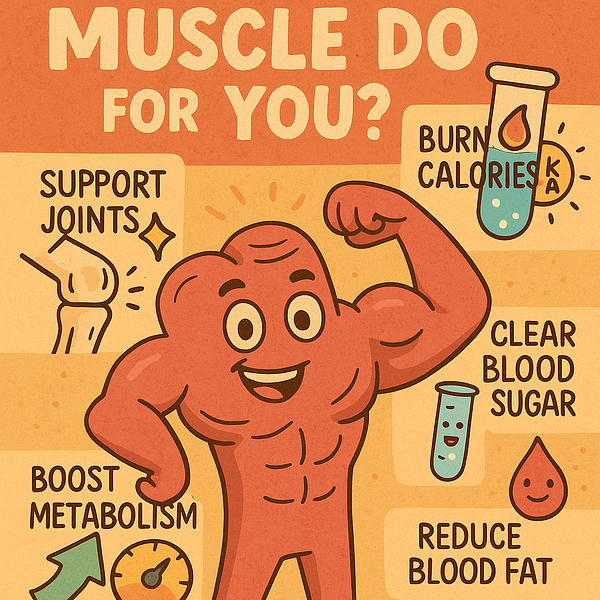
What’s Real Health & Fitness

What’s Real Health & Fitness

We’ve already explored the game-changing value of health in our previous blog. But that leaves us with a bigger, sharper question: What
exactly is health? And what is fitness?
Let’s dive into a scene that’llchallenge your ideas and stir up some real talk.

Scene: Five friends, one kettle of Tea

chai shop

Ravi (delivery guy) flexes: “I lift boxes all day. Obviously I’m fit.”
Priya (yogi) stretches: “Touch your toes first, hero. Flexibility counts.”
Uncle Sharma (retired banker) taps his step-counter: “Ten-thousand steps, yet the doc says ‘lose belly-fat’. Why?”
Neha (coder) shrugs: “I’m skinny and my smartwatch HR is fine. Isn’t that healthy?”
Auntie Reema (stall owner) chuckles: “I never miss work or catch a cold—clearly I win.”
Then she adds with a wink: “Plus I sleep like a baby and never get mood swings!”
The debate just got a new twist—what about hormones?

1 | Health, Fitness & Immunity

Health

All body systems—physical, mental, social—run smoothly and your lab numbers stay in the safe zone.

Fitness

The body’s horsepower across 5 parts: heart-lung endurance, muscle strength, muscle stamina, flexibility, healthy body-fat.

Immunity

Your 24 × 7 security team—detects & fights germs or stress.

Hormones

Chemical WhatsApp messages—tell every organ when to work, repair, or chill.

Truth bomb: Healthy ≠ “never sick.” Fit ≠ “big biceps.”
Both depend on an immune army and balanced hormones.

2 | Fit-for-Purpose ≠ Fit-for-Life

health vs fitnss
suv vs racecar

A sports car rips city roads yet stalls in a flood. Likewise:
Ravi lifts sofas but gasps on a jog; Reema dodges colds yet puffs up stairs.
Real fitness handles any curveball—groceries, flu season, a surprise 5 km charity run—and keeps hormones in the green.

Truth bomb: Excelling at one task while ignoring the rest is like speaking only vowels—impressive sound, poor conversation.

3 | Four Myths—Busted

myth vs reality

Myth

Reality (one line)

“Stairs without puffing = fit.”

Basic function ≠ peak engine.

“Skinny is healthy.”

Thin outside, dangerous fat inside (TOFI).

“Never sick = strong immunity.”

A silent alarm can be off, not strong. Balanced hormones + quick recovery prove strength.

“Gym time erases junk food.”

Food powers immunity & hormones; exercise can’t patch nutrient gaps.

4 | Five Numbers That Never Lie

parameters for fitness

Metric

Easy meaning

DIY check

VO₂ max “oxygen mileage”

Higher = bigger battery.

Brisk uphill walk—chat without gasping? Good start.

Resting HR “idle RPM”

Lower = efficient pump, calm cortisol.

Pulse on waking: 60-80 bpm OK; 50s excellent.

Waist ÷ Height

Belt test for belly fat & insulin balance.

Keep < 0.5.

Push-up score

Muscle engine & growth-hormone clue.

Teens ≥ 15, Adults ≥ 25.

Toe-touch

Joint freedom vs. inflammation.

Fingers to toes, legs straight = pass.

Truth bomb: Mirrors flatter. Numbers matter.


5 | Hormone Control-Panel – Why Balance Is the Master Switch

Hormone

Job

When it goes wrong

Cortisol

Stress alarm. Short bursts = good.

All-day siren → belly fat, weak immunity.

Insulin

Packs sugar into cells.

Flooded by junk food → diabetes risk.

Growth Hormone

Night-shift mechanic—repairs muscle, burns fat.

Poor sleep = zero repairs, sluggish recovery.

Sex hormones (T & E)

Build muscle, keep mood steady.

Low = weak muscles, mood swings, low drive.

Quick clues: midnight scrolling = high cortisol; morning fasting glucose > 100 mg/dL = insulin struggle; always tired = growth-hormone crash.

6 | Energy Maths Made Easy—METs & BMR

  • BMR = idle calories (phone on standby).
  • MET = activity points. Sitting = 1; brisk walk = 4; circuit workout = 8.

Example day: 30 min walk (4×30 = 120) + 20 min circuit (8×20 = 160) = 280 MET-min.
Target: 500-1 000 MET-min/week to slash heart risk and balance hormones.

7 | Which Archetype Are You?

Persona

Snapshot

Hidden risk

Strong-but-Unfit Ravi

Heavy lifts, zero cardio.

Stress spikes cortisol → frequent colds.

Cardio-Thin Priya

Runs daily, eats light.

Low muscle, estrogen imbalance, slow recovery.

Desk-Bound Sharma

Steps met, belly grows.

Silent inflammation, insulin roller-coaster.

“Never Sick” Reema

Rare colds, little movement.

Immune alarm may be off; puffing shows low VO₂ max.

Balanced Neha

Mixes cardio, strength, stretch, colourful food.

Labs clean, hormones synced—goal model.

8 | Science in Two Quick Sips

  1. Five flights a day drops heart-disease risk 20 %—only when paired with good sleep & diet (hormone helpers).
  2. Moderate exercise boosts frontline immune cells and steadies cortisol, insulin, growth hormone.

9 | Six-Point Weekly Plan (Body + Immunity + Hormones)

action plan for fit

Focus

How much

Why

Cardio

150 min/wk

Trains heart & white cells.

Strength

2-3×/wk

Builds muscle, spikes growth hormone.

Mobility / Yoga

Daily 10 min

Lowers cortisol, eases joints.

Sleep

7-8 h/night

Hormone & immune reboot.

Eat the rainbow

≥ 5 colours/day

Vitamins feed immune army, regulate insulin.

Re-test

Every 8 wks

Push-ups, waist, toe-touch, recovery speed.

Truth bomb: Showing up beats showing off. Consistency coaches your hormones and immune team.

Final Sip

Next time you sip tea ask yourself: Can I run, lift, bend, recover fast, beat stress—and sleep like a log? If yes, your engine, immune guards, and hormone messengers are in sync.

That’s the real TEA of life—served hot, balanced, and ready for anything.

What’s Real Health & Fitness Read More »

doing SIPS for wealth but what about investment for health?

smartly initiated SIPs for Wealth, but what about investments on health

ChatGPT Image May 22, 2025, 09_48_03 PM

Today Every so called finfluencer praises the magic of compounding—“Invest early, stay consistent, and let time do its magic.”
But what if I told you that the same logic applies to your health?

We all want our money to grow so we can enjoy life later. But here’s the harsh reality: you can only enjoy your wealth if you are alive and healthy.   Sounds basic? Yet most people forget this one truth.

ChatGPT Image May 22, 2025, 09_48_43 PM
ChatGPT Image May 22, 2025, 10_45_36 PM

Missed the Train? Welcome to the Diet Trap

At a younger age, your metabolism is like a high-efficiency engine—digesting, repairing, and absorbing maximum nutrients.But if you’ve ignored it for years, your body becomes sensitive & inefficient in digesting complex food items. Further The doctor now bans your favorite sugar, fried foods, rice, and sometimes even fruits also.
So now you’re trying to “get fit,” but can’t eat many  food that gives you strength & nutrition.You want to exercise to get rid of obesity which your joints pain doesn’t allows.
Nutritional deficiencies begin. One medicine causes acidity. Another damages your liver.Other is harsh  on heart or kidney.You enter a spiral where you need a medicine for the side effect of a medicine.This is how the health version of compounding works in reverse—slow decline becomes rapid suffering.

Every Decision You Make Is Powered by Your Body and Mind

Career goals? Need energy and clarity.
Family time? Need emotional stability.
Business targets? Need focus and stamina.

And yet, we take our body for granted as if it’s a government machine that’ll never stop. We act like it’ll always work—until it doesn’t.

Those blessed with a well-functioning body often don’t realize what a lottery they’ve won. And like most lottery winners, they waste it.


The Billionaire Secret: Health Comes First

Let’s bust another myth—“I don’t have time.”
If Ambani, Tata,  Benzos,Musk—men running empires—make time for fitness, what excuse do you really have?And if you need the ultimate proof of compounding, look no further than Warren Buffett—alive, healthy, and thriving in his 90s, witnessing the true magic of wealth compounding in real time. That’s the real power: you can only enjoy the fruits of compounding if you stay in the game long enough.

Whether it’s a 30-minute walk, yoga, strength training, or just deep breathing—they all do something every day.
Why? Because they realized long ago that your body is the engine. Your mind is the driver. Your wealth is just the fuel.

No engine = No journey.

Corporate Slavery: The Deal No One Warned You About

You thought you were only trading time for money.

But corporate life  mortages—your time, your posture, your sleep, your relationships, your peace… and slowly, your body.

The deadlines, the all-nighters, the skipped lunches, the back-to-back meetings on an already aching back—you’re not earning, you’re eroding.

Your health isn’t on “pause.” It’s on silent auto-deterioration mode.

And if you don’t reclaim control now, remember this:

A salary can be replaced. Your body can’t.

Here’s the harsh truth: once your physical, mental, and emotional health are destroyed, no bonus, promotion, or insurance policy can restore them. Prioritize your well-being above all else—your employer values you only as long as you’re profitable to them. The moment you can’t deliver, you become expendable.

ChatGPT Image May 22, 2025, 09_48_28 PM

The Real Retirement Shocker: Not Jobless—But Health-less

Most people dream of retirement like it’s a reward.
“You’ll finally rest… travel… play with grandkids… do what you love.”

But what really happens?

You retire—not just from your job, but from your health.

After decades of ignoring your body in the name of “no time,” you’re now gifted a retirement plan that includes:

  • PF funds

  • Gratuity

  • SIP corpus  after compunding
  • And…

  • Chronic illnesses.

Diabetes, joint pain, breathlessness, hypertension—a perfect package to kill every dream you had for your 60s.

How ironic—you finally have time and money, but no health to enjoy either.

You saved all your life—built that fat PF, invested wisely, created your dream retirement corpus.

But here’s the punchline no one tells you:

You’ll spend most of that corpus trying to reclaim your health.

Heart surgeries, insulin shots, home nurses, hospital bills—one emergency and your 30-year financial plan evaporates.

That’s why health insurance is important(mind you! health expenses get expensive with each passing year at rate much more than average inflation)—but it’s only a band-aid, not a shield.

Because even if the expenses are covered, you—and your family—still suffer the physical pain, emotional stress, and helplessness of your body failing.

Health insurance can help you pay the bill, but it can’t buy back your stamina, energy, or dignity.

So, isn’t it smarter to never let it collapse in the first place?

CHOICE will always be YOURS! But generally its NOW or NEVER scenario.

doing SIPS for wealth but what about investment for health? Read More »